


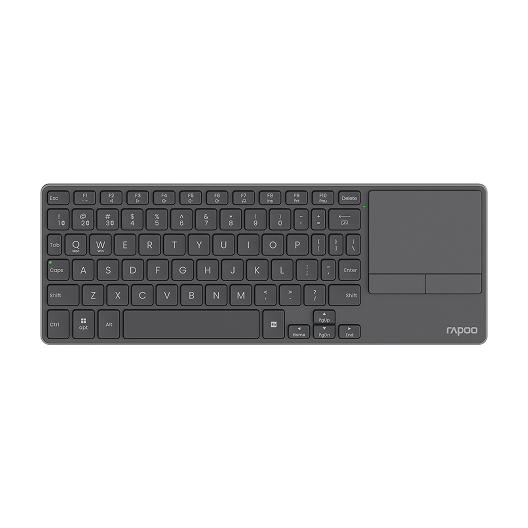
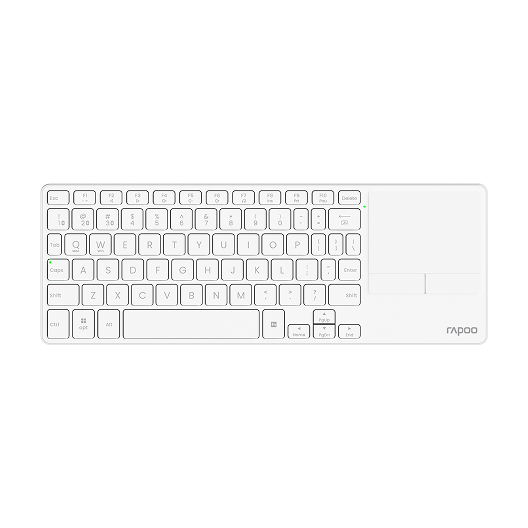


An 1800 keyboard and a full size keyboard offer similar functionality, but they use space very differently. A full size keyboard keeps the traditional layout with more separation between sections, while an 1800 keyboard compresses that layout to save desk space without removing the numpad. For most users, the real difference is not about features, but about layout comfort, mouse room, and whether a more compact full-size keyboard fits their setup better.
In simple terms, a full size keyboard is the traditional 100% layout. It keeps the alphanumeric keys, function row, navigation cluster, and numpad in their usual separated positions. An 1800 keyboard keeps nearly the same core functionality, but pulls those sections closer together into a more compact shape. That is why many users see the 1800 layout as a space-saving alternative for people who still want a numpad without using as much desk width.
Here is the quickest way to understand the difference between an 1800 keyboard and a full size keyboard.
| Comparison Point | 1800 Keyboard | Full Size Keyboard |
|---|---|---|
| Overall idea | Keeps most full-size functions in a tighter layout | Keeps the standard keyboard layout and spacing |
| Size | More compact | Larger |
| Key arrangement | More compressed | More separated |
| Numpad access | Included | Included |
| Space efficiency | Better for smaller desks | Better if desk space is not a concern |
| Gaming desk use | Often leaves more room for mouse movement | Can feel wider on tighter setups |
| Learning curve | Slightly less familiar for some users | Usually easier for users already used to traditional keyboards |
| Best fit | Work + gaming hybrid setups, smaller desks, users who want a numpad without full width | Traditional office setups, users who want a classic layout, heavy numpad users who prefer standard spacing |
The biggest takeaway is that both layouts offer similar practical functions, but they organize space differently. A full size keyboard gives you the most traditional experience, while an 1800 keyboard gives you a more compact full-size feel. For many users, the decision is less about what keys are included and more about how much desk room they want to save.
What Is an 1800 Keyboard?
An 1800 keyboard is a compact full-size keyboard layout that keeps most of the keys people expect from a traditional full size board, including the numpad, function row, arrow keys, and most navigation keys, but arranges them in a tighter, more space-efficient form. Instead of separating each section with wider gaps, the 1800 layout compresses the overall structure so the keyboard takes up less horizontal desk space.

That is why the 1800 layout is often described as a practical middle ground between a standard 100% keyboard and smaller layouts that remove the numpad entirely. In many cases, an 1800 keyboard has around 96 to 99 keys, depending on the exact design. The main appeal is simple: you still get the usefulness of a numpad for spreadsheets, office work, and number-heavy tasks, but in a board that feels noticeably less wide on the desk.
For many users, that smaller footprint is one of the biggest advantages. An 1800 keyboard can free up extra mouse room, make compact setups feel less crowded, and create a more efficient desk layout overall. That is especially appealing for people who want a keyboard that works for both productivity and gaming without taking up as much space as a traditional full size model.

RAPOOBg10 Apply at checkout for extra savings
The tradeoff is that the layout can feel slightly more compressed at first. Because the navigation cluster, arrow keys, and numpad are placed closer together, some users need a short adjustment period before the layout feels fully natural. Even so, many people find that the added desk space and cleaner layout are well worth it.
What does “1800 layout” mean?
The term 1800 layout refers to a keyboard design that keeps most of the functionality of a full size keyboard, but reduces the spacing between sections to save width. It usually includes the alphanumeric keys, function row, arrow keys, navigation keys, and numpad, but with a more compressed overall arrangement. That is why it is often grouped with compact full-size or 96% style layouts.

RAPOOBg10 Apply at checkout for extra savings
How many keys does an 1800 keyboard usually have?
An 1800 keyboard usually has around 96 to 99 keys, although the exact number can vary by brand and layout design. The important point is not the exact count, but the fact that it keeps most of the keys people actually use, especially the numpad, while cutting down on extra spacing.
Why do people call it a compact full-size keyboard?
People call it a compact full-size keyboard because it keeps nearly the same day-to-day functionality as a traditional full size keyboard, but in a smaller footprint. It is a good fit for users who still want a numpad, but do not want the full width of a standard 100% board. In many setups, that makes the 1800 layout a more efficient choice for desk space, ergonomics, and mouse movement.
What Is a Full Size Keyboard?
A full size keyboard is the traditional keyboard layout most people already recognize. It usually includes the main typing area, function row, navigation cluster, arrow keys, and a dedicated numpad, all arranged with the standard spacing that has been familiar on desktop keyboards for years.
In keyboard discussions, a full size keyboard is also commonly called a 100% keyboard. That means it keeps the complete standard layout rather than removing sections to save space. For many users, this is still the most familiar and straightforward option because the key placement feels natural and there is no adjustment period.

RAPOOBg10 Apply at checkout for extra savings
One reason full size keyboards remain popular is comfort through familiarity. If you regularly work with spreadsheets, data entry, accounting tasks, or any workflow that depends on the numpad, a full size keyboard still makes immediate sense. It also appeals to users who simply prefer the traditional separation between sections, since the layout can feel more open and easier to scan at a glance.
The tradeoff, of course, is size. A full size keyboard takes up more desk width than an 1800 keyboard, which can matter if you have limited workspace or want more room for mouse movement. That is why the comparison between 1800 keyboard vs full size keyboard is usually less about features and more about how much space you want to give to the keyboard itself.
1800 Keyboard vs Full Size Keyboard: The Main Differences

At a glance, an 1800 keyboard and a full size keyboard can seem very similar because both layouts keep the numpad, function row, and core navigation keys. In practice, though, they feel different because they organize space in different ways. A full size keyboard follows the traditional layout with more separation between sections, while an 1800 keyboard pulls those sections closer together to reduce overall width.
For many users, this is where the real decision begins. The question is usually not whether both keyboards can handle daily work, gaming, or general typing. They can. The bigger difference is how much desk space you want to give up, how much mouse room you want to keep, and whether you prefer a more familiar layout or a more compact one.
Size and desk space
| Difference | 1800 Keyboard | Full Size Keyboard |
|---|---|---|
| Layout structure | More compressed | More separated |
| Navigation cluster spacing | Packed closer to the main keys | Kept in a separate traditional cluster |
| Numpad position | Pulled closer to the main layout | More clearly separated |
| Keys commonly changed or removed | Some layouts remove or relocate keys like Insert, Scroll Lock, Pause, or parts of the traditional navigation cluster | Keeps the full traditional key arrangement |
The most obvious difference between an 1800 keyboard and a full size keyboard is width. A traditional full size keyboard typically has 104 keys and keeps more separation between the main typing area, navigation cluster, and numpad. Because of that wider spacing, it usually takes up more horizontal desk space.
An 1800 keyboard keeps most of that same functionality, but compresses the layout into a smaller footprint, usually with around 96 to 99 keys depending on the design. In practical terms, that often saves about 1.5 to 3.5 inches (roughly 3.8 to 8.9 cm) of desk width compared to a standard full size keyboard.
That difference may not sound dramatic at first, but it can feel very noticeable in real use. On smaller desks, an extra 1.5–3.5 inches / 3.8–8.9 cm can mean more mouse room, a less cramped setup, and a more efficient overall layout. For users who still want a numpad without giving up too much desk space, that reduced footprint is one of the biggest reasons to choose an 1800 layout.
Key spacing and layout feel
A full size keyboard usually feels more open and more familiar. The separation between the main typing area, navigation cluster, arrow keys, and numpad is what many users have used for years, so the layout tends to feel intuitive right away.
An 1800 keyboard feels more compact, but that does not mean all of the keys are crowded together with no structure. The layout still keeps clear grouping between different key sections, but the spacing between those sections is reduced compared with a traditional full size keyboard. In other words, the board feels tighter, not chaotic.
Which Keys Are Commonly Removed or Relocated on an 1800 Keyboard?
One of the practical differences between an 1800 keyboard and a full size keyboard is that the 1800 layout often gives up a few low-priority keys in order to save space. The goal is not to remove essential everyday functions, but to reduce the extra width created by keys and gaps that many users rarely touch.
Depending on the design, an 1800 keyboard may remove, relocate, or move certain keys to an Fn layer. These often include keys such as Insert, Scroll Lock, Pause/Break, or parts of the traditional navigation cluster. On a full size keyboard, these keys are usually kept in their standard dedicated positions, which is one reason the layout feels more spacious and familiar.
For most users, this tradeoff is relatively minor. Keys like Scroll Lock and Pause are rarely used in everyday typing, office work, or gaming, and even Insert is far less important today than it once was. That is why many people find the 1800 layout easier to adapt to than expected: it keeps the keys they use often, while compressing or removing a few that are no longer central to daily use.
In other words, an 1800 keyboard is not really giving up core functionality. It is mostly trimming back the less frequently used parts of a full size keyboard in order to create a more efficient layout.
Gaming comfort and mouse room
For many single-player games, online games, or FPS titles, players mainly use the main typing area and function keys rather than the entire keyboard. In that kind of setup, a more compact keyboard can feel more practical because it reduces the overall distance between the left hand on the keys and the right hand on the mouse, which often creates a more ergonomic and efficient gaming position. That is one reason an 1800 keyboard can feel more comfortable for users who want to keep the numpad but still prefer a tighter layout. However, for players who want to play local co-op or other two-player keyboard games on the same board, a full size keyboard is often the more comfortable option because the wider layout gives both players more room and clearer key separation.
Who Should Choose an 1800 Keyboard?
An 1800 keyboard is best suited to users who still want the practicality of a full size keyboard, but do not need all of the extra width that comes with a traditional 100% layout. It is especially appealing to people who rely on a numpad for work, data entry, or everyday convenience, yet rarely use lower-priority keys such as Print Screen, Scroll Lock, Pause/Break, Insert, Home, End, Page Up, and Page Down in their usual dedicated positions.
For those users, a full size keyboard can feel larger than necessary. Much of its extra width comes not from essential everyday keys, but from wider spacing and dedicated placement for keys that many people use only occasionally. An 1800 keyboard solves that by keeping the core layout more compact while preserving the keys most users actually care about, including the numpad, function row, arrow keys, and main typing area.
That makes the 1800 layout a strong choice for users who want a compact full-size keyboard rather than a smaller layout like TKL or 75%. It is particularly well suited to people with limited desk space, mixed work-and-gaming setups, or anyone who wants more room for mouse movement without giving up the number pad. In that sense, an 1800 keyboard is less about sacrificing important functionality and more about removing unnecessary width.
Because of that balance, an 1800 keyboard often makes the most sense for users who want the keys they actually use every day, but do not feel they need a wider keyboard just to keep a few low-use keys in their traditional dedicated spots.
Who Should Choose a Full Size Keyboard?
A full size keyboard is the better choice for users who want the most traditional and familiar typing experience. It is especially well suited to people who prefer the standard 100% layout, rely on the full navigation cluster, or simply do not want to adjust to a more compressed keyboard design. While it takes up more desk space, it also keeps every major section in its expected position, which is one reason many users still find it the easiest layout to use right away.

RAPOOBg10 Apply at checkout for extra savings
For some people, that familiarity matters more than saving space. A full size keyboard keeps the classic separation between the typing area, navigation keys, arrow cluster, and numpad, which can make the layout feel easier to read and more comfortable to navigate at a glance. It is also a better fit for users who regularly use keys that are often compressed, relocated, or moved to secondary layers on smaller layouts, such as Insert, Home, End, Page Up, Page Down, Print Screen, Scroll Lock, and Pause/Break.
That makes a full size keyboard a strong choice for users who want the complete standard layout without compromise. If you have enough desk space, prefer a more open structure, or simply like having every key in its usual dedicated place, a full size keyboard still makes perfect sense. In that sense, the appeal of a full size keyboard is not just about having more keys. It is about keeping the most familiar layout with the least amount of adjustment.
Frequently Asked Questions
How many keys are on a full size keyboard?
A full size keyboard usually has 104 keys in the standard US layout, though the exact number can vary slightly depending on the brand, regional layout, or whether extra shortcut keys are included. In most cases, a full size keyboard refers to the complete traditional layout with the main typing area, function row, navigation cluster, arrow keys, and numpad.
What matters more than the exact number is the layout itself. A full size keyboard keeps every major section in its usual dedicated position, which is why it still feels the most familiar to many users.
How many keys are on an 1800 keyboard?
An 1800 keyboard usually has around 96 to 99 keys, depending on the design. It keeps most of the important sections of a full size keyboard, including the numpad, function row, and arrow keys, but reduces the overall key count by compressing spacing and sometimes relocating or removing a few lower-priority keys.
In practice, that means an 1800 keyboard still feels close to full size in functionality, but uses less desk width. For many users, that is the main appeal: you keep the keys you use most often without the full footprint of a traditional 104-key board.
Is an 1800 keyboard basically a compact full-size keyboard?
Yes, in practical terms, that is one of the best ways to understand it. An 1800 keyboard keeps most of the functionality of a full size keyboard, especially the numpad and core working sections, but arranges them more tightly so the board takes up less space.
It is not exactly the same as a full size layout, because some keys may be compressed, relocated, or moved to a secondary layer. Still, for most users, an 1800 keyboard feels much closer to a compact full-size keyboard than to a smaller layout like TKL or 75%.
Is a full size keyboard the same as a 100% keyboard?
Yes, in most keyboard discussions, a full size keyboard and a 100% keyboard mean the same thing. Both refer to the complete traditional layout that includes the alphanumeric keys, function row, navigation cluster, arrow keys, and numpad.
The term “100%” is more common in enthusiast keyboard discussions, while “full size” is more familiar in everyday buying language. In real use, though, they usually describe the same layout.
Do I need a full size keyboard?
Not necessarily. You only really need a full size keyboard if you value the traditional layout, regularly use the full navigation cluster, or simply want every major key in its standard dedicated position. For some users, that familiarity alone is reason enough.
But if your real priority is keeping the numpad while saving space, a full size keyboard may be more than you need. In that case, an 1800 keyboard can often be the better fit because it keeps most of the same practical functionality in a more compact layout.
Are full size keyboards good for gaming?
Yes, full size keyboards can still be very good for gaming. They offer the familiar layout many players already know, and they work perfectly well if desk space is not a concern. For players who like having every section clearly separated, a full size keyboard can still feel comfortable and intuitive.
The main downside is width. Because a full size keyboard takes up more horizontal space, it can leave less room for mouse movement, especially on smaller desks or in tighter gaming setups. So the question is usually not whether full size is good for gaming, but whether your setup has enough room for it.
Is an 1800 keyboard better for gaming?
For many users, yes. An 1800 keyboard can be a better gaming choice because it reduces overall width while still keeping the numpad. That means you usually get more mouse room than you would with a full size keyboard, without needing to move all the way down to a smaller layout like TKL or 75%.
That said, “better” depends on how you play. If you mainly play single-player, online, or FPS games and want a tighter setup, an 1800 keyboard often makes a lot of sense. But if you prefer the widest traditional spacing or want more room for shared keyboard use in local multiplayer games, a full size keyboard may still feel more comfortable.
Which is better for small desks, 1800 or full size?
For small desks, an 1800 keyboard is usually the better option. It keeps most of the functionality of a full size keyboard, including the numpad, but uses less width by compressing the layout. That can make a noticeable difference in tighter setups where desk space, mouse room, and overall layout efficiency matter.
A full size keyboard still works if you have enough room and strongly prefer the traditional layout, but in compact setups it can feel unnecessarily wide. If your goal is to keep the number pad without making the desk feel crowded, an 1800 keyboard is usually the more practical choice.
Recommended reading
Membrane vs Mechanical Keyboard: What’s the Real Difference?
Wired vs Wireless Keyboard: A Practical Comparison for Gaming and Work
Bluetooth vs 2.4GHz Wireless Keyboard: What’s the Difference?
Types of Computer Keyboards: A Guide to Keyboard Types and Layouts


1 Comment
For those looking to save desk space while still enjoying a full-size keyboard with a numpad, an 1800 keyboard could be a great option. But if you need the traditional layout and spacing, a full-size keyboard might fit better. If you want to explore more space-saving options, check out the Best ergonomic split keyboard for work, which also offers flexibility and comfort.
https://www.elimkeys.com/