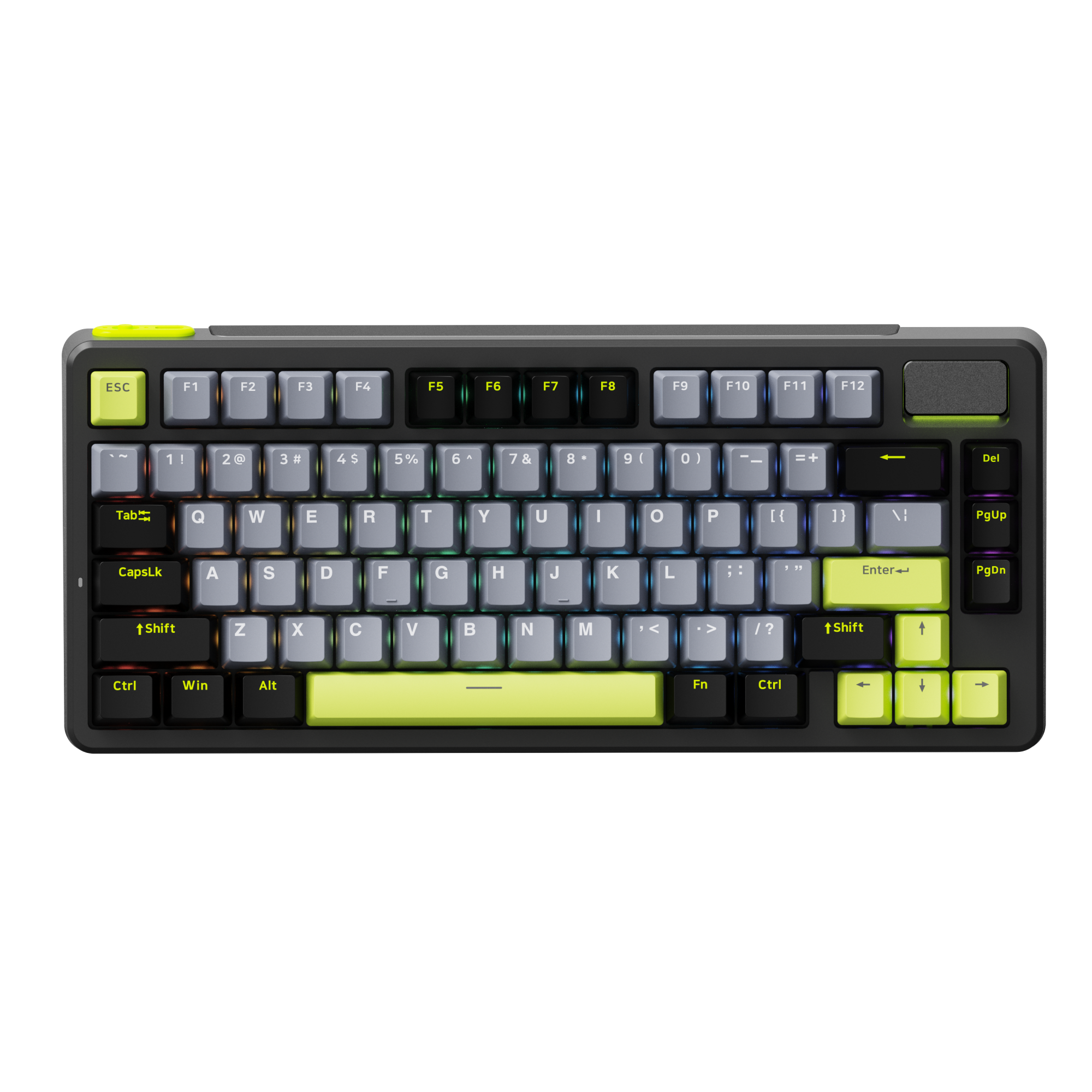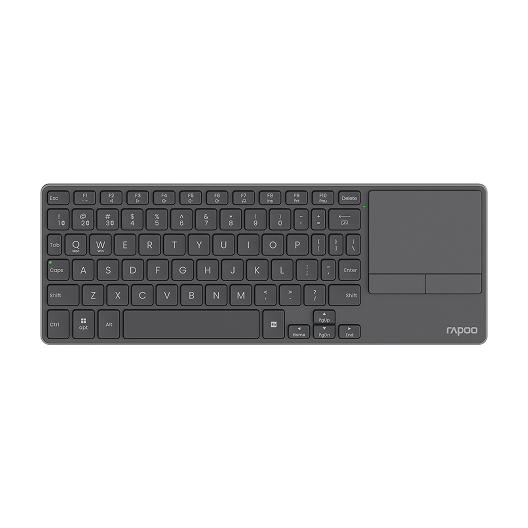
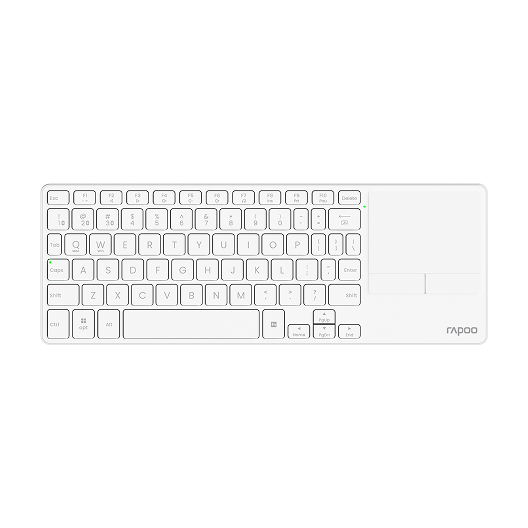


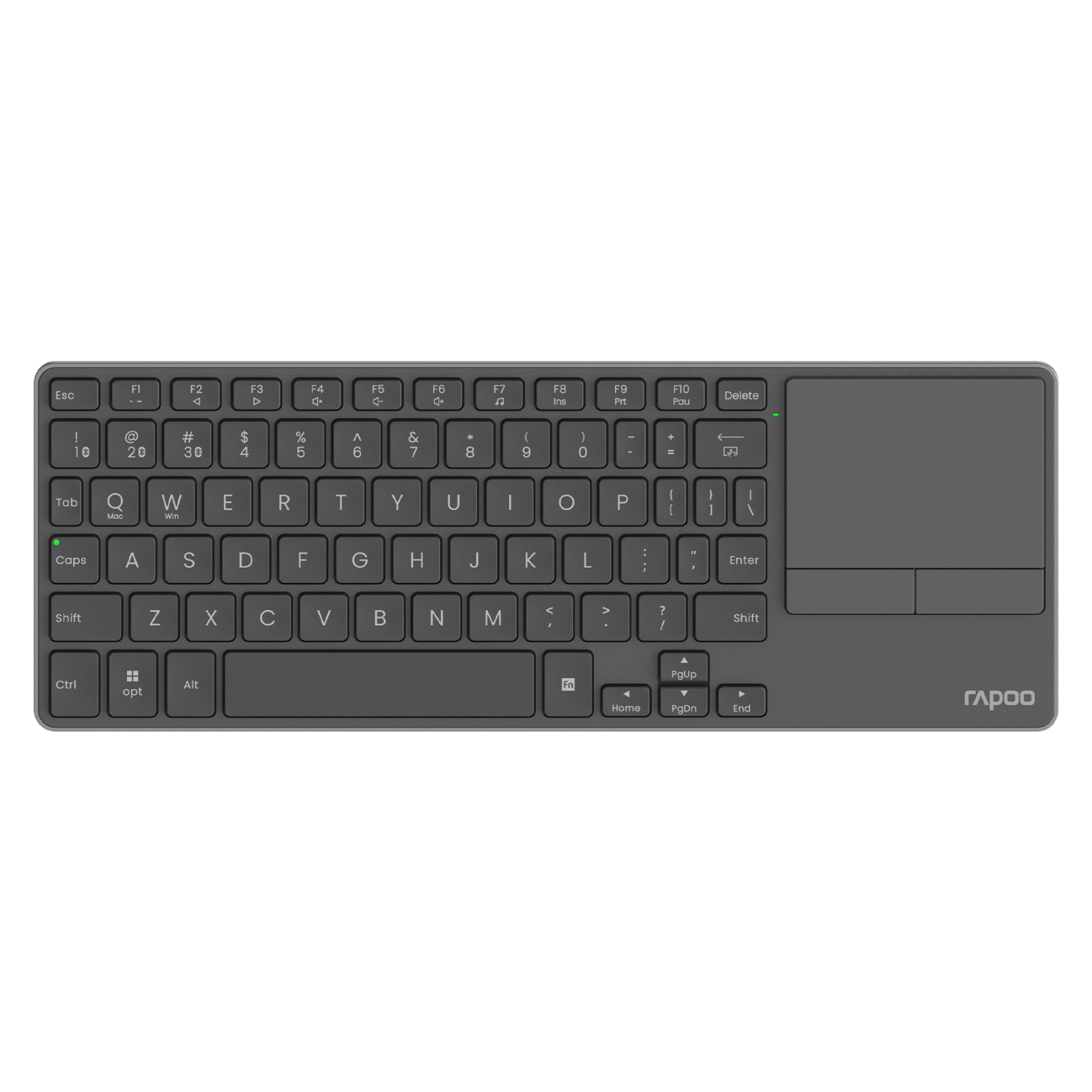

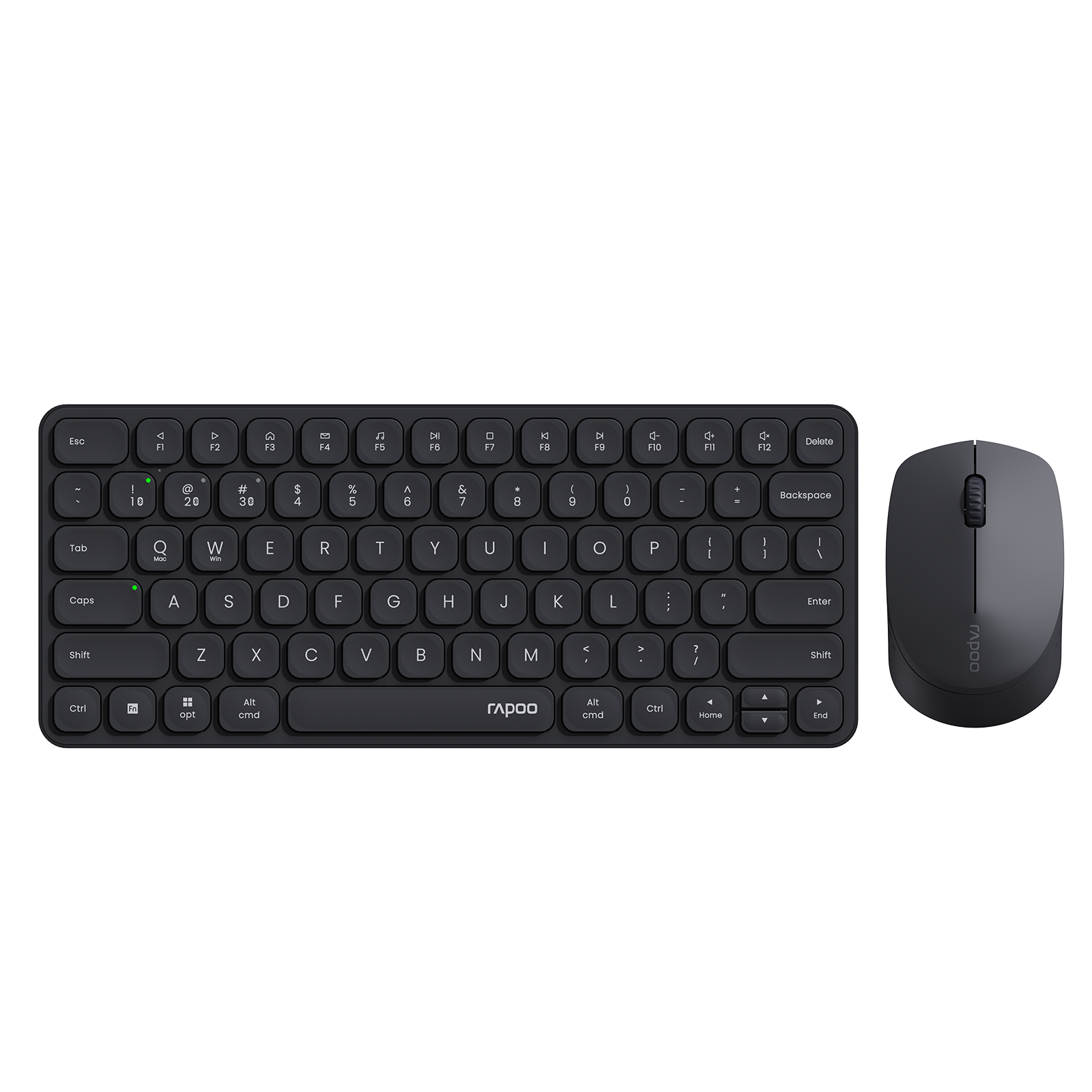

Choosing between a 60% vs 75% keyboard mainly comes down to how much space you want to save and how many dedicated keys you still need. A 60% keyboard is the better choice if you want the smallest possible layout, more room for mouse movement, and a clean setup for FPS gaming or travel. A 75% keyboard, on the other hand, is usually the more practical option for everyday use because it keeps a compact size while still giving you dedicated function keys, arrow keys, and more navigation shortcuts.
For pure gaming setups, especially if you play FPS games and are comfortable using Fn-layer shortcuts, a 60% keyboard can feel fast, minimal, and efficient. But if you also use your keyboard for work, writing, programming, school, or frequent shortcuts, a 75% keyboard is often the safer and more balanced choice. It gives you much of the desk-space benefit of a compact keyboard without forcing you to give up the keys many people use every day.
In short, choose a 60% keyboard if you want maximum desk space and a minimalist gaming layout. Choose a 75% keyboard if you want a compact keyboard that still feels familiar, functional, and easier to use as your main keyboard.
60% vs 75% Keyboard: Quick Comparison

Before choosing between a 60% keyboard and a 75% keyboard, the most important difference is not just size. It is which dedicated keys you keep and which keys move into the Fn layer.
A 60% keyboard is smaller because it removes several key sections found on larger layouts. A 75% keyboard is still compact, but it keeps many of the keys people use every day, including the function row, arrow keys, and some navigation keys.
| Key / Feature | 60% Keyboard | 75% Keyboard | Why It Matters |
|---|---|---|---|
| Number Row | Yes | Yes | Both layouts keep the standard number row for typing and shortcuts. |
| Function Row / F1–F12 | Usually no dedicated F-row | Usually included | Important for shortcuts, media controls, games, and productivity apps. |
| Arrow Keys | Usually not dedicated | Usually included | Useful for text editing, browsing, coding, and daily navigation. |
| Delete Key | Usually accessed through Fn layer | Usually dedicated or easier to access | Helpful for editing text, files, and code. |
| Home / End | Usually accessed through Fn layer | Often included or easier to access | Useful for writing, coding, and moving through long documents. |
| Page Up / Page Down | Usually accessed through Fn layer | Often included or easier to access | Helpful for document navigation and browsing. |
| Insert Key | Usually accessed through Fn layer or omitted | Sometimes included through compact navigation cluster | Less important for most users, but useful in certain workflows. |
| Navigation Cluster | Mostly removed | Partially included | 75% keyboards keep more daily-use navigation controls. |
| Numpad | No | No | Neither layout includes a numpad; users who need one should consider a full-size or 96% keyboard. |
| Desk Space | Maximum space saving | Compact but slightly larger | 60% gives more mouse room, while 75% keeps more practical keys. |
| Learning Curve | Higher | Lower | 60% requires more Fn-layer shortcuts; 75% feels more familiar. |
The biggest trade-off is clear: a 60% keyboard gives you the smallest layout and the most desk space, but it removes many dedicated keys. You can still access most functions through shortcuts, but you need to remember more key combinations.
A 75% keyboard is slightly larger, but it keeps the keys many people rely on every day. For users who frequently use arrow keys, function keys, Delete, Home, End, or Page Up and Page Down, a 75% keyboard is usually easier to use as a main keyboard.
So if your priority is maximum mouse space and a minimal gaming setup, a 60% keyboard makes sense. But if you want a compact layout without giving up too many useful keys, a 75% keyboard is usually the more practical choice.
What Is a 60% Keyboard?
A 60% keyboard is a compact keyboard layout that removes several dedicated key sections found on larger keyboards. It keeps the main typing area, including the letter keys, number row, and common modifier keys, but removes the function row, dedicated arrow keys, navigation cluster, and numpad.

The goal of a 60% keyboard is simple: keep the keys most users need for basic typing and gaming, while reducing the keyboard’s footprint as much as possible.
60% Keyboard Layout Explained
A typical 60% keyboard layout includes the core alphanumeric section of a standard keyboard. You still get the letters, numbers, Tab, Caps Lock, Shift, Ctrl, Alt, Spacebar, Enter, and Backspace. For basic typing and many games, this layout is enough.
However, compared with a 75% keyboard or full-size keyboard, a 60% keyboard usually removes several dedicated keys:
| Key Section | On a 60% Keyboard |
|---|---|
| Function row / F1–F12 | Usually removed |
| Dedicated arrow keys | Usually removed |
| Navigation keys | Usually removed or moved into shortcuts |
| Numpad | Removed |
| Delete / Home / End / Page Up / Page Down | Usually accessed through Fn-layer shortcuts |
This means a 60% keyboard does not necessarily lose these functions completely. Instead, many of them are moved into a secondary layer. For example, you may need to press Fn + another key to use arrow keys, function keys, Delete, Home, End, or media controls.
That is why one of the most common questions is: does a 60 keyboard have arrow keys? In most cases, a 60% keyboard does not have dedicated arrow keys, but it may still let you access arrow functions through the Fn layer. The same applies to 60 keyboard function keys: F1–F12 are usually available through shortcuts rather than physical keys.
Main Benefits of a 60% Keyboard
The biggest advantage of a 60% keyboard is how much space it saves. Because the layout is smaller, it leaves more room for your mouse, mousepad, and other desk accessories. This can make a noticeable difference for gamers who use low sensitivity and need wide mouse movements.
A 60% keyboard is especially popular for:
-
FPS gaming, where extra mouse space can help with large aim movements.
-
Minimal desk setups, where a cleaner layout matters.
-
Small desks, where every inch of space counts.
-
Portable setups, because a smaller keyboard is easier to carry.
-
Users who rarely use function keys or navigation keys, and prefer a simple layout.
For users who mainly play games, type casually, or want a cleaner desk, a 60% keyboard can feel fast, focused, and efficient. It removes keys that some people rarely use and keeps the setup visually simple.
Main Drawbacks of a 60% Keyboard
The main downside of a 60% keyboard is that many useful keys are no longer directly available. If you often use arrow keys, function keys, Delete, Home, End, Page Up, or Page Down, you may need to rely on Fn-layer shortcuts more often.
This can be inconvenient for users who do a lot of:
-
Text editing
-
Coding
-
Spreadsheet work
-
Document navigation
-
Keyboard shortcuts
-
Productivity tasks
For example, if you work in Excel, edit long documents, or frequently move through lines of code, the missing dedicated arrow keys and navigation keys can slow you down at first. You can still access these functions, but they are less immediate than on a 75% keyboard.
A 60% keyboard also has a higher learning curve for new users. If you are moving from a full-size keyboard, TKL keyboard, or laptop keyboard, it may take time to remember where the hidden shortcuts are. For users who want a compact keyboard but still need more familiar controls, a 75% keyboard is usually easier to adapt to.
What Is a 75% Keyboard?
A 75% keyboard is a compact keyboard layout that keeps many of the keys people use every day while removing the numpad to save desk space. Compared with a 60% keyboard, a 75% keyboard feels much closer to a traditional keyboard because it usually includes the function row, dedicated arrow keys, and several navigation keys.
This makes the 75% layout a popular choice for users who want a smaller keyboard but do not want to rely on shortcuts for every basic function.

75% Keyboard Layout Explained
A typical 75% keyboard layout is smaller than a TKL keyboard, but more complete than a 60% keyboard. Instead of removing major key sections, it compresses them into a tighter layout.
Most 75% keyboards usually include:
| Key Section | On a 75% Keyboard |
|---|---|
| Main typing area | Included |
| Number row | Included |
| Function row / F1–F12 | Usually included |
| Dedicated arrow keys | Usually included |
| Navigation keys | Partially included |
| Numpad | Removed |
The biggest difference is that a 75 percent keyboard layout keeps more dedicated keys in a compact body. You do not get a numpad, but you usually still get the keys many users need for shortcuts, editing, gaming, and daily navigation.
So, does a 75 keyboard have arrow keys? In most cases, yes. A 75% keyboard usually has dedicated arrow keys, which makes it easier to move through documents, browse pages, edit text, and navigate games without using Fn-layer shortcuts.
A 75% keyboard also usually keeps the function row. That means 75 keyboard function keys are much easier to access than on most 60% keyboards, where F1–F12 are commonly hidden behind shortcuts.
Main Benefits of a 75% Keyboard
The biggest benefit of a 75% keyboard is balance. It saves desk space like a compact keyboard, but it does not remove as many useful keys as a 60% layout.
A 75% keyboard is especially useful for:
-
Gaming and daily use, because it keeps common keys within easy reach.
-
Work and productivity, where arrow keys, Delete, and function keys are often used.
-
Writing and editing, because navigation feels more natural.
-
Programming, where shortcuts, code navigation, and function keys can matter.
-
Users moving from a full-size or TKL keyboard, because the layout feels more familiar.
For many people, a 75% keyboard is easier to use as a main keyboard. It still gives you a cleaner and smaller setup than a full-size keyboard, but it does not force you to memorize as many secondary-layer shortcuts.
That is why the 75% layout is often the safer choice for users who want one keyboard for both gaming and productivity.
Main Drawbacks of a 75% Keyboard
The main drawback of a 75% keyboard is that it is not as small as a 60% keyboard. If your main priority is maximum mouse space, extreme portability, or the cleanest possible desk setup, a 60% keyboard will still save more room.
A 75% keyboard can also feel slightly crowded at first. Because the keys are arranged more tightly than on a TKL or full-size keyboard, some users may need time to adjust to the compact spacing. This is especially true for the navigation keys, which may be placed differently depending on the keyboard model.
Another limitation is that a 75% keyboard does not include a numpad. If you often work with spreadsheets, accounting tasks, data entry, or number-heavy workflows, you may prefer a full-size keyboard, a 96% keyboard, or a separate external numpad.
60% vs 75% Keyboard Layout: The Real Difference
When comparing a 60% vs 75% keyboard, the real difference is not simply size. The real difference is direct key access.
A 60% keyboard removes the dedicated function row, arrow keys, navigation cluster, and numpad to create the smallest practical keyboard layout. You can still access many of these functions through the Fn layer, but they are no longer available as separate physical keys.
A 75% keyboard keeps the layout compact while preserving the keys many people use every day, including the function row, arrow keys, and several navigation keys. This makes it easier to use for gaming, work, programming, writing, and everyday shortcuts.
Function Row
A standard 60% keyboard does not have a dedicated F1–F12 function row. Instead, function keys are accessed through the Fn layer. For example, pressing F5 may require a shortcut such as Fn + 5, depending on the keyboard.
A 75% keyboard keeps the full function row at the top of the keyboard. This makes it much easier to use keyboard shortcuts in games, browsers, office software, creative apps, and programming tools.
| Function Row Usage | 60% Keyboard | 75% Keyboard |
|---|---|---|
| F1–F12 keys | Accessed through Fn layer | Dedicated physical keys |
| Browser refresh / shortcuts | Requires key combination | Direct key access |
| Game keybinds | May need remapping or Fn shortcuts | Easier to assign and use |
| Productivity apps | Less direct | More convenient |
| Programming / IDE shortcuts | Requires more shortcut layers | Easier for debugging and navigation |
So, does a 60% keyboard have function keys? It does not have dedicated function keys. The F1–F12 functions are moved into the Fn layer.
This is one of the biggest reasons a 75% keyboard feels more practical for users who often use shortcuts, media controls, browser commands, game keybinds, or programming tools.
Arrow Keys
Arrow keys are another major difference in the keyboard layout comparison.
A standard 60% keyboard does not have dedicated arrow keys. Arrow functions are moved into the Fn layer, so you need a key combination to move up, down, left, or right.
A 75% keyboard has dedicated arrow keys. This makes it much easier to move through text, browse pages, edit documents, work in spreadsheets, and navigate code.
| Arrow Key Usage | 60% Keyboard | 75% Keyboard |
|---|---|---|
| Up / Down / Left / Right | Accessed through Fn layer | Dedicated physical keys |
| Text editing | Less direct | Easier |
| Web browsing | Requires shortcuts | More natural |
| Spreadsheet navigation | Less convenient | More practical |
| Code navigation | Requires more key combinations | Easier and faster |
| Menu control | Less direct | More familiar |
So, does a 60% keyboard have arrow keys? It does not have dedicated arrow keys. You can still use arrow functions through the Fn layer, but they are not separate keys.
This matters a lot for daily use. If you only use WASD for gaming and rarely use arrows, a 60% keyboard can still feel great. But if you write, code, browse, edit documents, or work in spreadsheets, dedicated arrow keys make a 75% keyboard much easier to live with.
Navigation Keys
A 60% keyboard also removes the dedicated navigation cluster. Keys like Delete, Home, End, Page Up, and Page Down are moved into the Fn layer.
A 75% keyboard keeps several of these navigation keys in a compact layout. The exact arrangement can vary by model, but the key point is simple: a 75% keyboard gives you more direct controls without taking up as much space as a full-size keyboard.
| Navigation Key | 60% Keyboard | 75% Keyboard |
|---|---|---|
| Delete | Fn-layer access | Dedicated or easier to access |
| Home | Fn-layer access | Often included in compact navigation area |
| End | Fn-layer access | Often included in compact navigation area |
| Page Up | Fn-layer access | Often included |
| Page Down | Fn-layer access | Often included |
| Numpad | Not included | Not included |
For simple gaming or casual typing, losing these keys may not feel like a major issue. But for editing long documents, writing code, managing spreadsheets, or using shortcuts throughout the day, the difference becomes obvious.
A 60% keyboard asks you to memorize more shortcuts. A 75% keyboard gives you more direct control.
Desk Space and Mouse Movement
The biggest advantage of a 60% keyboard is desk space.
Because it removes the function row, arrow keys, navigation cluster, and numpad, a 60% keyboard takes up much less room. This gives your mouse more space to move, which is especially helpful for low-DPI or low-sensitivity FPS players.
If you want the cleanest setup and the widest mouse movement area, a 60% keyboard is the better choice. This is why the 60% layout is popular as a compact keyboard for gaming, especially for FPS players who do not need many extra keys during gameplay.
A 75% keyboard still saves a lot of space compared with a full-size keyboard or TKL keyboard, but it is not as small as a 60% layout. The trade-off is that you give up a little more desk space in exchange for dedicated function keys, arrow keys, and navigation keys.
| Priority | Better Choice | Why |
|---|---|---|
| Maximum mouse space | 60% Keyboard | Smallest layout and more room for mouse movement |
| Minimal gaming setup | 60% Keyboard | Clean layout with fewer physical keys |
| Gaming + daily use | 75% Keyboard | Compact but more practical |
| Work and productivity | 75% Keyboard | Easier access to arrows, function row, and navigation keys |
| Programming | 75% Keyboard | Better for shortcuts and code navigation |
| Travel and portability | 60% Keyboard | Easier to carry and fit into small setups |
For pure desk-space savings, the 60% keyboard wins. For everyday usability, the 75% keyboard is the better balance.
The final decision depends on what you value more: maximum space and minimalism, or a compact layout with the keys you actually use every day.
60% vs 75% Keyboard for Work and Productivity
A compact keyboard can make your workspace cleaner, but work and productivity depend on more than desk space. For daily tasks, the biggest question is whether you need direct access to arrow keys, function keys, Delete, Home, End, Page Up, and Page Down.
This is where the difference between a 60% keyboard and a 75% keyboard becomes more noticeable. A 60% keyboard can work well for simple tasks, but a 75% keyboard is usually easier to use as a main work keyboard because it keeps more dedicated keys.
Is a 60% Keyboard Good for Work?
A 60% keyboard can be good for work if your daily tasks are simple and you do not rely heavily on navigation keys or function shortcuts. For basic typing, emails, messaging, note-taking, and light browsing, a 60% keyboard can feel clean, fast, and comfortable.
It is especially useful if you want a minimal desk setup or often move between workspaces. The smaller size makes it easier to carry, and it leaves more room on your desk for a mouse, notebook, laptop stand, or other accessories.
A 60% keyboard works well for:
-
Simple writing and note-taking
-
Emails and messaging
-
Light web browsing
-
Portable or travel work setups
-
Minimal desk setups
-
Users who prefer a clean workspace
-
Users who rarely use F1–F12, arrow keys, or navigation keys
However, a 60% keyboard is not ideal for every productivity workflow. Because it does not have dedicated arrow keys, function keys, or a navigation cluster, many common work actions require Fn-layer shortcuts. That may not matter for short emails, but it becomes more noticeable when you spend hours editing documents, working in spreadsheets, or switching between software tools.
A 60% keyboard is less convenient for:
-
Excel and spreadsheet-heavy work
-
Frequent text editing
-
Long document navigation
-
Coding or technical workflows
-
Shortcut-heavy productivity apps
-
Tasks that require arrow keys, Delete, Home, End, Page Up, or Page Down
-
Users who want a familiar keyboard layout with less adjustment time
For example, if you often move between cells in Excel, edit long paragraphs, jump to the beginning or end of a line, or use software shortcuts built around the function row, a 60% keyboard can slow you down. You can still perform these actions, but they require more key combinations instead of direct key access.
In short, a 60% keyboard for work makes sense if your priority is portability, minimalism, and basic typing. But if your work involves editing, spreadsheets, shortcuts, or frequent navigation, a 75% keyboard will feel more practical and efficient.
60% vs 75% Keyboard for Gaming
For gaming, the choice between a 60% vs 75% keyboard depends on how much mouse space you need and how many extra keys your games actually use. A smaller keyboard can give your mouse more freedom, but a more complete layout can make shortcuts and keybinds easier to manage.

When a 60% Keyboard Is Better for Gaming
A 60% keyboard for gaming is a strong choice if you mainly play FPS games and want as much mouse space as possible. Since a 60% layout removes the function row, arrow keys, navigation cluster, and numpad, it leaves more room for wide mouse movement.
This is especially useful for low-sensitivity players who need a larger mousepad area for aiming. If your gameplay mostly relies on WASD, number keys, Shift, Ctrl, Spacebar, and a few nearby keybinds, a 60% keyboard can feel clean and efficient.
A 60% keyboard is better for gaming if you:
-
Mainly play FPS games
-
Use low mouse sensitivity
-
Want more mousepad space
-
Prefer a minimal gaming setup
-
Rarely use F-row, arrow keys, or navigation keys in games
The trade-off is that any missing keys must be accessed through Fn-layer shortcuts. If your games rely heavily on F1–F12, arrow keys, or extra navigation keys, a 60% keyboard may feel less convenient.
When a 75% Keyboard Is Better for Gaming
A 75% keyboard for gaming is better if you want a compact layout but still need more direct key access. It keeps the function row, dedicated arrow keys, and several navigation keys, so it feels closer to a traditional keyboard while still saving desk space.
This makes it a better fit for mixed-use gamers — people who game, work, browse, chat, and use shortcuts on the same keyboard. It is also more practical for games that use more keybinds, such as MMO, MOBA, strategy, simulation, or productivity-heavy gaming setups.
A 75% keyboard is better for gaming if you:
-
Play more than FPS games
-
Use function keys for game commands or shortcuts
-
Want dedicated arrow keys
-
Use the same keyboard for gaming and work
-
Do not want to memorize many Fn-layer shortcuts
-
Want one compact keyboard as your long-term main keyboard
For many users, the best keyboard layout for gaming is not always the smallest one. A 60% keyboard gives you maximum mouse space, while a 75% keyboard gives you a better balance between gaming comfort and daily usability.
60% vs 75% Keyboard for Programming
For programming, the choice between a 60% keyboard and a 75% keyboard depends on how often you use arrow keys, function keys, and editing shortcuts. A smaller keyboard can be easier to carry, but coding usually benefits from faster access to navigation and control keys.

Why Programmers May Struggle With 60% Keyboards
A 60% keyboard for programming is not the most comfortable choice for daily coding because it removes dedicated arrow keys, function keys, and navigation keys such as Home, End, Delete, Page Up, and Page Down. These keys are often used when moving through code, editing text, jumping across files, debugging, or working inside an IDE.
That does not mean a 60% keyboard cannot be used for programming. Its small size makes it easy to carry for travel, cafés, coworking spaces, or mobile coding setups. If you are comfortable using Fn-layer shortcuts, the impact on coding efficiency becomes smaller over time. With AI-assisted coding tools becoming more common, developers may also spend more time reviewing, prompting, and making targeted edits instead of manually typing every line, which makes the smaller key count less limiting for some workflows.
Why 75% Keyboards Are Often Better for Programming
A 75% keyboard for programming is usually the better choice for daily coding because it keeps dedicated arrow keys, a function row, and several editing keys while still staying compact. This makes code navigation, debugging, file switching, and shortcut-heavy IDE work feel more natural.
Compared with a TKL keyboard, a 75% layout saves more desk space. Compared with a 60% keyboard, it keeps more of the keys programmers use every day. For most developers looking for the best keyboard layout for programming, a 75% keyboard offers the better balance: compact enough for a clean setup, but complete enough to work comfortably as a long-term main keyboard.
Which Layout Saves More Desk Space?
A 60% keyboard saves more desk space than a 75% keyboard. It removes the function row, arrow keys, navigation keys, and numpad, giving your mouse more room to move and making the desk setup cleaner.
Which Keyboard Layout Is Easier to Learn?
A 75% keyboard is easier to learn than a 60% keyboard because it keeps the keys most users already know: the function row, arrow keys, and several editing keys. If you are moving from a full-size keyboard, laptop keyboard, or TKL keyboard, a 75% layout feels more familiar and requires less adjustment.
A 60% keyboard has a steeper learning curve because many common keys are hidden behind the Fn layer. You need to remember shortcuts for arrow keys, F1–F12, Delete, Home, End, Page Up, and Page Down. Once you get used to it, a 60% keyboard can feel fast and efficient, but it is not as beginner-friendly.
60% vs 65% vs 75% Keyboard: Should You Consider Another Layout?
If you like the small size of a 60% keyboard but worry about losing dedicated arrow keys, a 65% keyboard is worth considering. It keeps a very compact layout while adding arrow keys and a few extra navigation keys, making it easier to use for daily tasks.
If you want function keys as well, a 75% keyboard is the better choice. It is larger than 60% and 65%, but it gives you a much more complete layout with dedicated F1–F12 keys, arrow keys, and several editing keys.
| Layout | Best For | Main Trade-Off |
|---|---|---|
| 60% Keyboard | Minimal gaming setups, maximum mouse space, travel | No dedicated arrow keys or function row |
| 65% Keyboard | Compact users who still want arrow keys | Still no dedicated function row |
| 75% Keyboard | Gaming, work, programming, and daily use | Larger than 60% and 65%, but more practical |
In short, choose 60% if you want the smallest layout, choose 65% if you want compact size with arrow keys, and choose 75% if you want the best balance between portability and everyday usability.
Should You Choose a 60% or 75% Keyboard?
Choose a 60% keyboard if your priority is maximum desk space, a cleaner gaming setup, and easier portability. It is best for users who mainly play FPS games, use low mouse sensitivity, or prefer a minimal layout. The trade-off is that you need to use Fn-layer shortcuts for function keys, arrow keys, and navigation keys.
Choose a 75% keyboard if you want a compact keyboard that still feels practical for daily use. It keeps dedicated arrow keys, the function row, and several editing keys, making it better for work, programming, writing, multitasking, and mixed gaming setups.
| Choose This Layout | If You Care More About |
|---|---|
| 60% Keyboard | Maximum mouse space, portability, minimal setup, FPS gaming |
| 75% Keyboard | Daily usability, shortcuts, work, programming, mixed-use gaming |
For most users, the 75% keyboard is the safer choice because it balances compact size with better key access. But if you already know you want the smallest possible keyboard and are comfortable using shortcuts, a 60% keyboard can still be a great fit.
Recommended Compact Keyboard Features to Look For
After deciding between a 60% keyboard and a 75% keyboard, the next step is choosing the right features for your setup. Layout matters, but the typing feel, connection stability, battery life, and customization options can make a big difference in daily use.
Wireless and Wired Connectivity
A good compact keyboard should give you flexible connection options. Wireless mode keeps your desk clean and makes the keyboard easier to move between setups, while wired mode is useful for stable gaming performance, charging, or long work sessions.
If you use the same keyboard for gaming, work, and travel, look for a model with reliable wireless performance and easy device switching. This is especially helpful for users who move between a desktop PC, laptop, tablet, or office setup.
Key Remapping and Macro Support
Customization is especially useful on compact keyboards. Since smaller layouts have fewer physical keys, the ability to remap keys or create macros can make the keyboard much more efficient.
For a 60% keyboard, customization helps reduce the inconvenience of missing dedicated keys. For a 75% keyboard, the extra editing keys can often be remapped into shortcuts you use every day, such as media controls, app switching, screenshot tools, or software-specific commands.
Typing Feel and Build Quality
A compact keyboard should not only save space; it should also feel good to type on. Pay attention to switch feel, key stability, sound, and overall build quality. A keyboard that feels solid and comfortable will be easier to use for long gaming, writing, or work sessions.
For users who want a cleaner desktop setup without sacrificing comfort, RAPOO offers compact keyboard options designed for both gaming and everyday use, making it easier to choose a layout that fits your desk, workflow, and personal typing preference.
Battery Life and Daily Convenience
If you choose a wireless compact keyboard, battery life is important. A keyboard with longer battery life reduces charging interruptions and works better for travel, office use, and hybrid setups.
For most users, the best compact keyboard is not just the smallest one. It should be stable, comfortable, customizable, and easy to use every day.
Final Verdict: 60% or 75% Keyboard?
Choose a 60% keyboard if you want the smallest possible layout, maximum mouse space, and a clean gaming setup. It is a strong choice for FPS players, low-sensitivity mouse users, travel setups, and users who are comfortable using Fn-layer shortcuts.
Choose a 75% keyboard if you want a compact keyboard that still feels practical for daily use. It keeps the function row, arrow keys, and several editing keys, making it easier for work, programming, writing, multitasking, and mixed gaming setups.
For most users, a 75% keyboard is the better all-around choice because it balances compact size with everyday usability. A 60% keyboard is better if you clearly value minimalism, portability, and mouse space more than direct access to extra keys.
FAQ Section
Is a 60% keyboard better than a 75% keyboard?
Not always. A 60% keyboard is better if you want the smallest layout, maximum mouse space, easier portability, and a cleaner gaming setup. It is a strong choice for FPS players and users who like minimal desks.
A 75% keyboard is better if you want a compact keyboard that still works well for daily use. It keeps dedicated arrow keys, a function row, and extra editing keys, making it more practical for work, programming, writing, and mixed gaming setups.
Is a 60% keyboard good for gaming?
Yes, a 60% keyboard is good for gaming, especially for FPS games. Its smaller size gives your mouse more room to move, which is useful for low-DPI or low-sensitivity players.
The trade-off is that a 60% keyboard does not have dedicated arrow keys, function keys, or navigation keys. If your games rely on F1–F12, arrow keys, or many extra keybinds, a 75% keyboard may feel more convenient.
Is a 75% keyboard good for gaming?
Yes, a 75% keyboard is good for gaming because it keeps a compact layout while still giving you more direct key access. You get dedicated arrow keys, a function row, and extra editing keys without moving to a full-size keyboard.
For gamers who also use the same keyboard for work, browsing, chatting, or productivity, a 75% keyboard is often the better all-around choice.
Does a 60% keyboard have arrow keys?
A standard 60% keyboard does not have dedicated arrow keys. Arrow functions are usually accessed through the Fn layer, which means you need a key combination instead of pressing separate arrow keys.
If you rarely use arrow keys, this may not be a problem. But if you often edit text, browse documents, work in spreadsheets, or write code, a 65% or 75% keyboard will feel more convenient.
Does a 60% keyboard have function keys?
A standard 60% keyboard does not have a dedicated F1–F12 function row. Function keys are usually accessed through the Fn layer, such as pressing Fn with the number row.
This works fine for users who rarely use F-row shortcuts. But if you often use function keys for games, browser commands, media controls, work software, or programming tools, a 75% keyboard is easier to use.
Is a 75% keyboard better for work?
Yes. A 75% keyboard is better for work for most users because it keeps the layout compact while still providing dedicated arrow keys, a function row, and several editing keys.
This makes it more practical for writing, spreadsheets, document editing, multitasking, and shortcut-heavy software. It also has a lower learning curve than a 60% keyboard because you do not need to rely on Fn-layer shortcuts as often.
Is a 75% keyboard good for programming?
Yes, a 75% keyboard is good for programming because it gives developers easier access to arrow keys, function keys, and navigation controls. These keys are useful for editing code, moving through files, debugging, and using IDE shortcuts.
A 60% keyboard can work for portable or minimal coding setups, especially if you are comfortable with Fn shortcuts. But for daily programming, a 75% keyboard is usually more efficient and comfortable.
Should I choose a 60%, 65%, or 75% keyboard?
Choose a 60% keyboard if you want the smallest layout, maximum mouse space, and a minimal gaming setup. Choose a 65% keyboard if you still want a very compact layout but need dedicated arrow keys.
Choose a 75% keyboard if you want the best balance between compact size and daily usability. It is larger than 60% and 65%, but it keeps the function row, arrow keys, and more editing keys, making it better for gaming, work, and programming.