

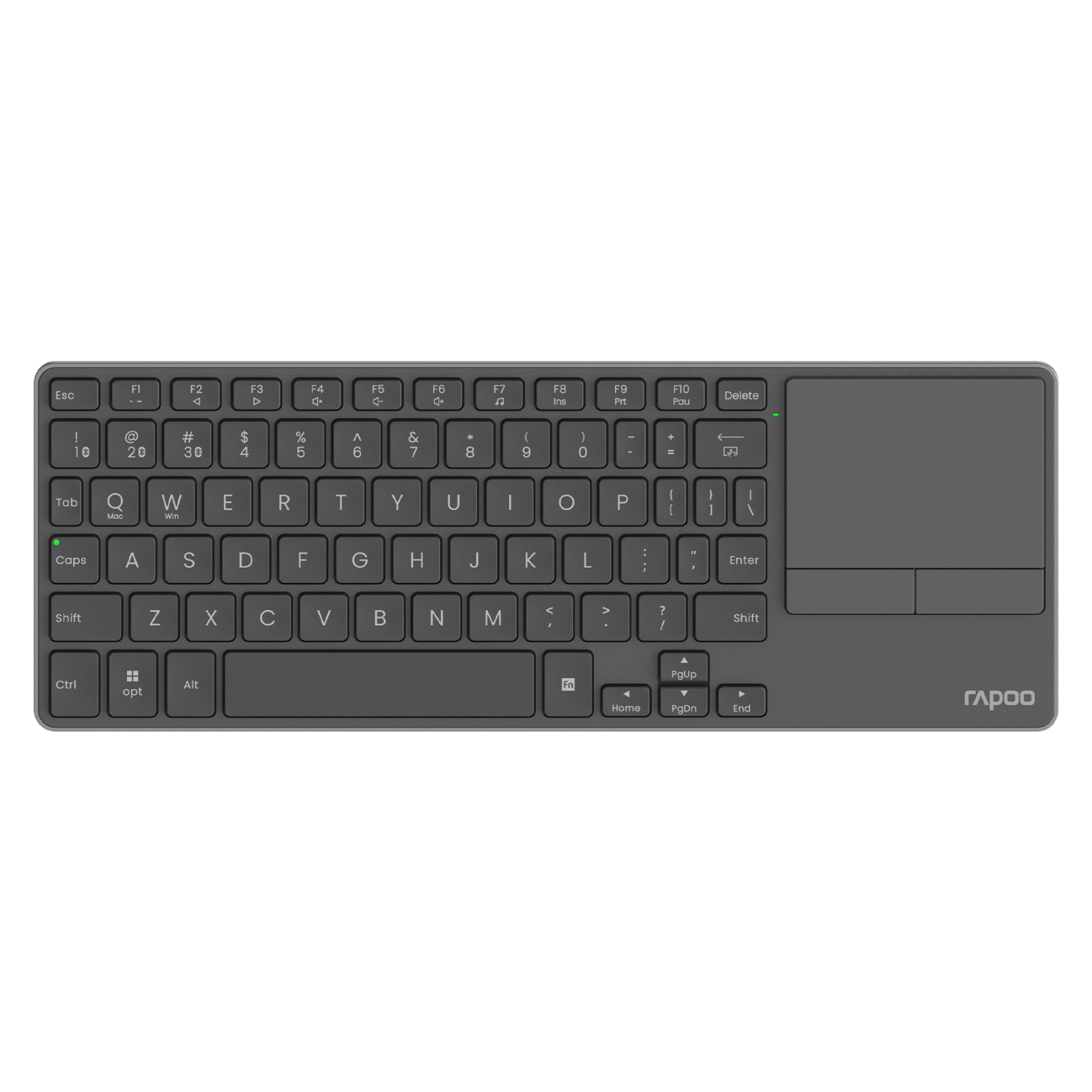

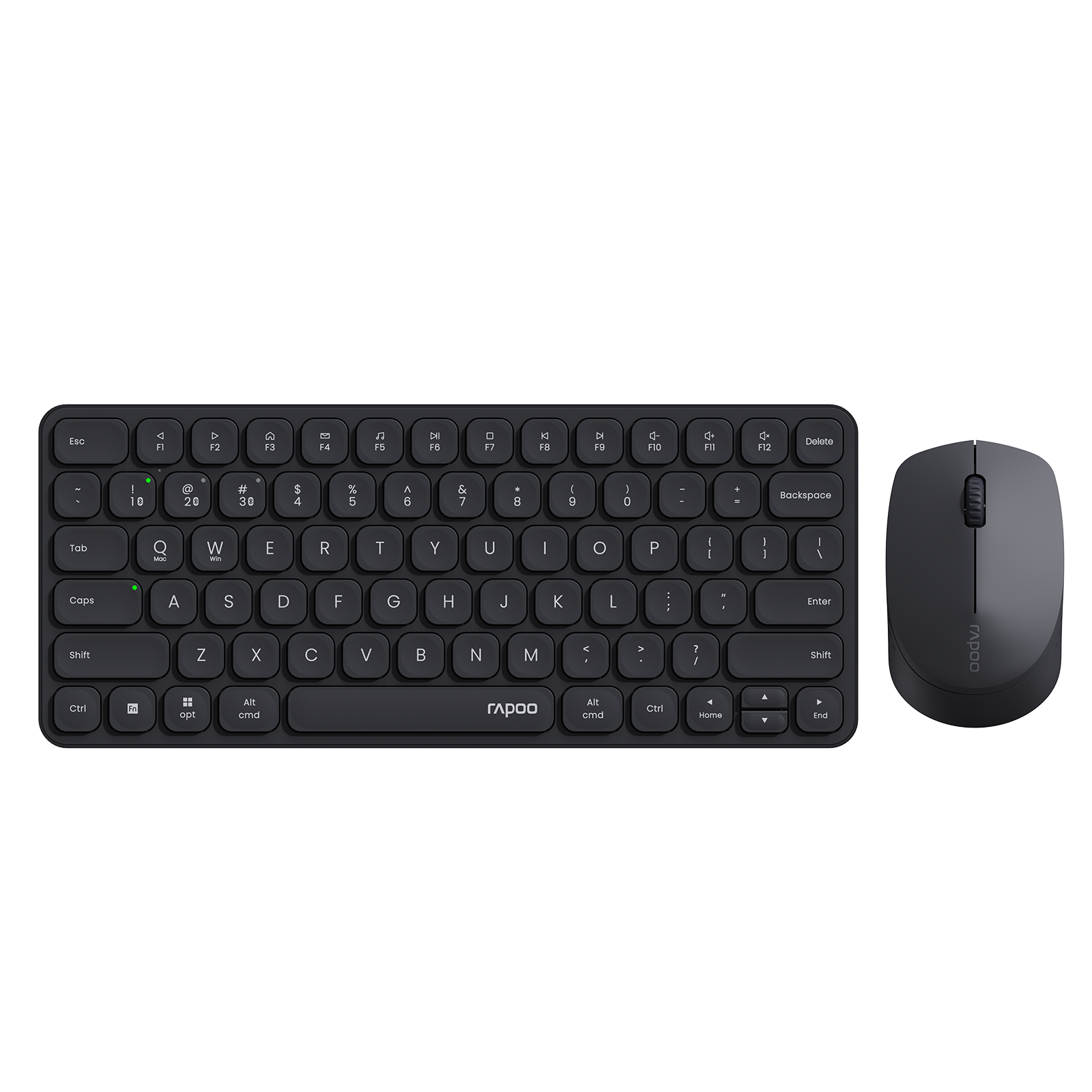
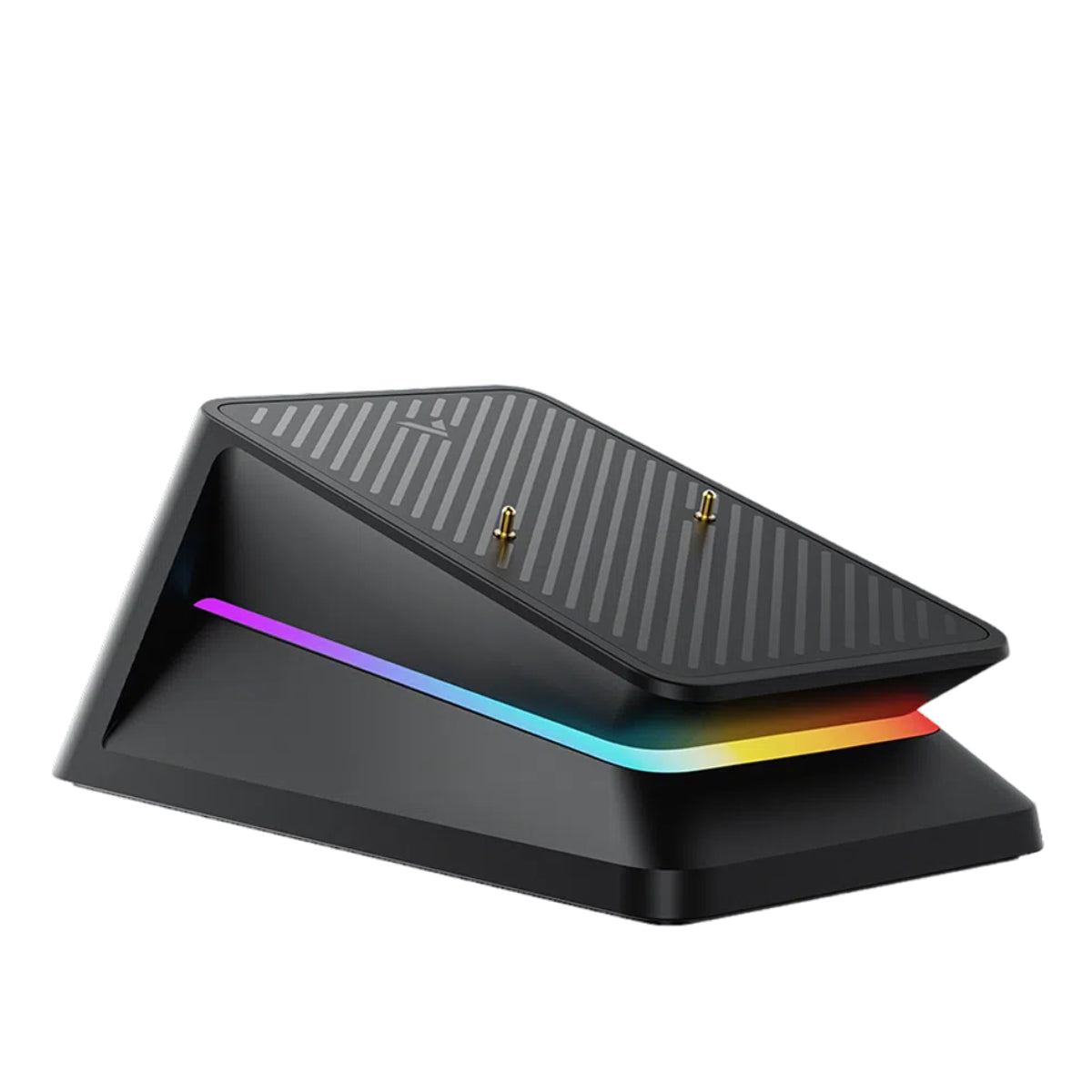

Computer keyboards come in many shapes, sizes, and designs—each created for a different purpose. From mechanical and membrane models to compact and wireless designs, there are numerous types of keyboards available today.
Understanding the different types of computer keyboards makes it easier to choose the right keyboard type for work, gaming, or everyday use. In this guide, we’ll break down the most common keyboard types, explain how they differ, and help you decide which one fits your needs best.
1. How Computer Keyboards Are Classified
With so many keyboard options available, it helps to understand how different types of keyboards are classified. Most computer keyboards can be grouped based on three main factors: switch technology, layout and size, and intended use. Together, these categories explain why so many keyboard types exist and how they serve different user needs.
1.1 Classification by Key Switch Type
One of the most important ways to distinguish a keyboard type is by how its keys work internally. The switch mechanism directly affects typing feel, sound, responsiveness, and durability.
The most common switch-based keyboard types include:
- Mechanical keyboards – Use individual mechanical switches for each key, offering precise feedback and long lifespan
- Membrane keyboards – Rely on a pressure pad system, usually quieter and more affordable
- Scissor-switch keyboards – A refined membrane design often found in slim and laptop-style keyboards
- Optical keyboards – Use light-based actuation for faster response and reduced input delay
Understanding switch types helps explain why some kinds of computer keyboards feel crisp and tactile, while others feel softer or quieter.
1.2 Classification by Keyboard Layout and Size
Another major way to group types of computer keyboards is by layout and physical size. Keyboard layouts determine how many keys are included and how much desk space the keyboard takes up.
Common layout-based keyboard types include:
- Full-size keyboards – Include a full number pad, function row, and navigation keys
- Tenkeyless (TKL) keyboards – Remove the number pad for a more compact design
- 75%, 65%, and 60% keyboards – Compact layouts that save space while keeping essential keys
- 1800 or compact full-function keyboards – Retain a number pad in a tighter layout
Layout plays a major role in ergonomics and workflow, especially for users balancing productivity and desk space.
1.3 Classification by Usage Scenario
Some different types of keyboards are designed with specific use cases in mind. These keyboards prioritize certain features based on how and where they are used.
Typical usage-based keyboard categories include:
- Office keyboards – Focus on comfort, low noise, and long typing sessions
- Gaming keyboards – Emphasize fast response, anti-ghosting, and customization
- Portable or travel keyboards – Compact, lightweight, and often wireless
- Professional keyboards – Designed for programming, design, or specialized workflows
By understanding how keyboards are classified by usage, users can more easily narrow down which keyboard type best fits their daily tasks.
2. Types of Computer Keyboards by Switch Technology
Switch technology plays a major role in how a keyboard feels, sounds, and responds. While layout affects ergonomics and desk space, the switch underneath each key defines the core typing experience. Different switch technologies exist because users value different things—precision, quietness, speed, or long-term comfort.
Below are the most common switch-based types of computer keyboards, explained with both real-world context and a clear comparison.
2.1 Mechanical Keyboards
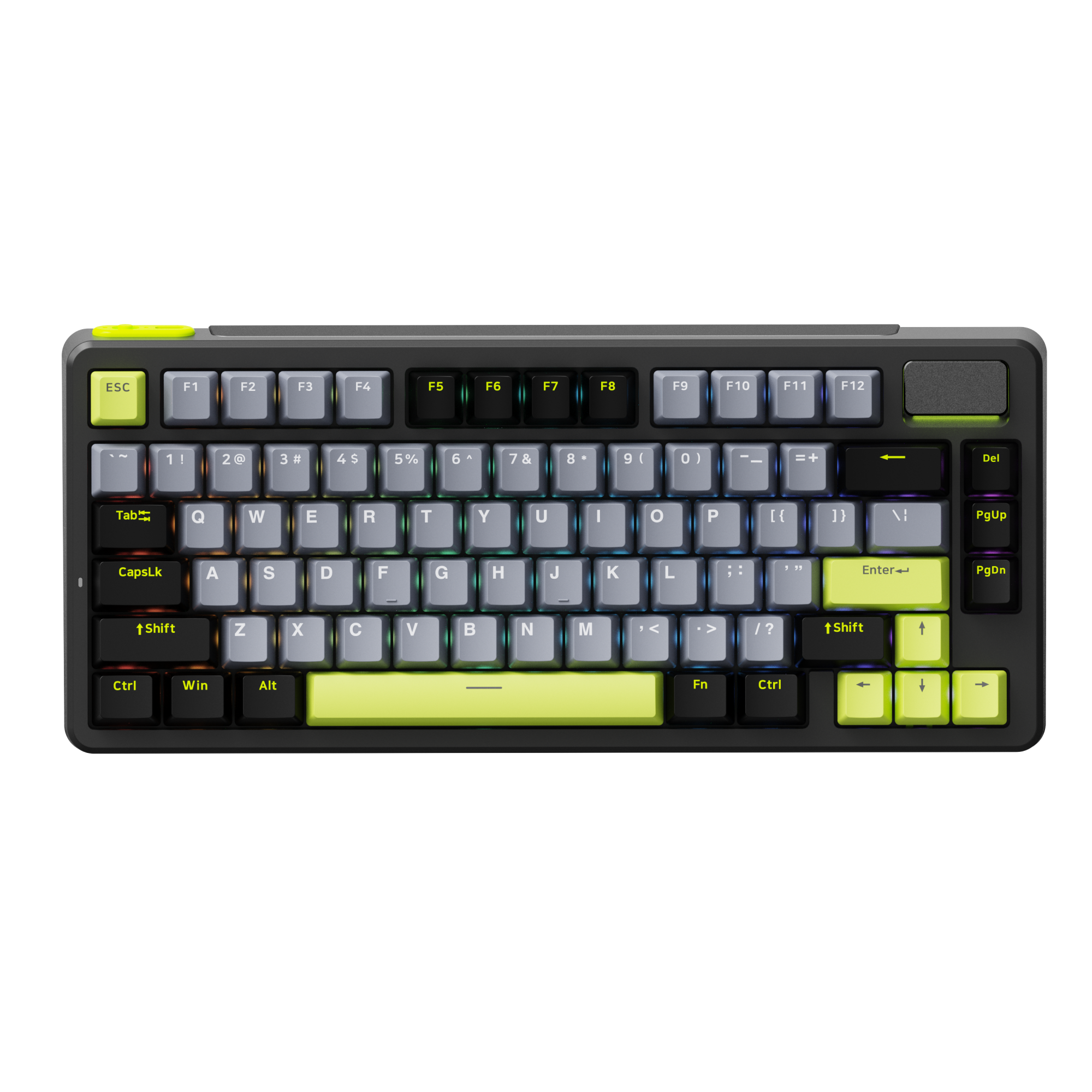
Mechanical keyboards use individual physical switches under each key, creating a consistent and responsive typing experience. Because each keystroke is registered independently, these keyboards feel precise and predictable, even during fast or repeated input.

RAPOO V700DIY-98 Mechanical Keyboards
This consistency makes mechanical keyboards popular among gamers and heavy typists. While they are often louder and heavier than other keyboard types, many users are willing to accept those trade-offs for better feedback and long-term durability.
| Aspect | Description |
|---|---|
| Typing feel | Clearly defined keystrokes with consistent feedback |
| Noise level | Medium to loud (varies by switch design) |
| Durability | Very high, built for long-term use |
| Common subtypes | Linear, Tactile, Clicky |
| Best for | Gaming, heavy typing, enthusiasts |
2.2 Membrane Keyboards
Membrane keyboards register keystrokes through a pressure-based membrane layer rather than individual switches. This results in a softer, quieter typing experience that feels less mechanical and more forgiving.

They are widely used in offices and home environments where noise reduction and simplicity matter more than precision. While they don’t offer the same feedback as mechanical keyboards, their low cost and quiet operation make them one of the most common kinds of computer keyboards.
| Aspect | Description |
|---|---|
| Typing feel | Soft and cushioned |
| Noise level | Very quiet |
| Durability | Moderate |
| Typical variants | Standard membrane, dome-switch |
| Best for | Office work, casual daily use |
Recommended reading: Mechanical Keyboard vs Normal Keyboard
2.3 Scissor-Switch Keyboards
Scissor-switch keyboards are a refined version of membrane designs and are commonly found in laptops and slim desktop keyboards. A stabilizing scissor mechanism keeps each key steady while maintaining short travel distance.
This design offers a controlled and familiar typing feel, especially for users transitioning from laptops to desktop setups. Scissor-switch keyboards balance quiet operation with better stability than traditional membrane keyboards.
| Aspect | Description |
|---|---|
| Typing feel | Short travel with added stability |
| Noise level | Low |
| Durability | Moderate to high |
| Typical variants | Laptop-style, low-profile desktop |
| Best for | Office setups, laptop users |
2.4 Optical Keyboards
Optical keyboards use light-based actuation instead of physical electrical contact. When a key interrupts a light signal, the input is registered almost instantly.
Because there is minimal physical wear, optical switches can deliver fast and consistent performance over time. These keyboards are most often used in gaming setups, where speed and responsiveness are prioritized over typing sound or feel.
| Aspect | Description |
|---|---|
| Typing feel | Fast and smooth |
| Noise level | Medium |
| Response speed | Extremely fast |
| Common subtypes | Optical linear, optical tactile |
| Best for | Competitive gaming |
2.5 Magnetic (Hall Effect) Keyboards
Magnetic keyboards detect keystrokes through changes in a magnetic field rather than direct contact. This allows for smoother movement and, in some designs, adjustable actuation points.
Although still considered a niche keyboard type, magnetic keyboards are gaining attention among advanced users who want precise control over how their keyboard responds during different tasks.
| Aspect | Description |
|---|---|
| Typing feel | Very smooth, often customizable |
| Noise level | Medium |
| Adjustability | High on supported models |
| Common subtypes | Fixed actuation, adjustable actuation |
| Best for | Advanced users, gaming enthusiasts |
2.6 Capacitive Keyboards
Capacitive keyboards register input by detecting changes in electrical capacitance instead of relying on physical contact. Keys can activate without fully bottoming out, resulting in a smooth and effortless typing experience.
These keyboards are often favored by professional typists who spend long hours typing and prioritize comfort and consistency. They are typically positioned as premium options and are less common than other switch types.
| Aspect | Description |
|---|---|
| Typing feel | Smooth and consistent |
| Noise level | Low |
| Fatigue reduction | High |
| Typical variants | Electrostatic capacitive |
| Best for | Professional typing, long work sessions |
Capacitive designs are often considered a premium kind of computer keyboard, favored by users who prioritize typing feel over gaming-oriented features.
3. Different Types of Keyboards by Layout and Size
Keyboard layout and size define how many keys a keyboard has, how they are arranged, and how much space the keyboard occupies on a desk. Understanding layout-based types of keyboards makes it easier to balance functionality, comfort, and workspace efficiency.

The table below outlines the most common types of computer keyboards by layout and size.
Keyboard Layout Comparison Table
| Keyboard Layout | Typical Key Count | Key Features | Desk Space | Best For |
|---|---|---|---|---|
| Full-Size (100%) | 104 / 105 keys | Full number pad, function row, navigation cluster | Large | Office work, data entry, users who rely on the numpad |
| 1800 / Compact Full-Function | 96–99 keys | Includes number pad in compressed layout | Medium | Productivity-focused users needing a numpad |
| Tenkeyless (TKL / 80%) | ~87 keys | No number pad, full typing and function keys | Medium | Gaming, balanced work & play setups |
| 75% Layout | 79–84 keys | Compact layout with function row and arrow keys | Medium–Small | Productivity users, minimalist desks |
| 65% Layout | ~67–68 keys | Arrow keys retained, no function row | Small | Everyday typing, gaming, compact setups |
| 60% Layout | ~61 keys | Core typing keys only, heavy use of function layers | Very Small | Competitive gaming, travel, portability |
Each keyboard layout serves a different purpose. Larger layouts prioritize convenience and familiarity, while compact layouts focus on portability and efficient desk use. When comparing different types of keyboards, layout choice often comes down to how often you use certain keys—such as the number pad, function row, or navigation cluster.
Recommended reading:
- 75% Keyboard Guide: Layout, Key Count, and How to Choose
- What Is an 1800 Keyboard? The Complete Compact Keyboard Guide
4. Kinds of Computer Keyboards by Connection Type
Another important way to categorize types of keyboards is by how they connect to your computer. While layout and switch type affect how a keyboard feels, the connection type directly impacts convenience, portability, latency, and everyday usability.
Today’s kinds of computer keyboards typically fall into three main connection categories.
4.1 Wired Keyboards
Wired keyboards connect directly to a computer using a USB cable. Despite the rise of wireless options, wired models remain widely used across offices, gaming setups, and professional environments.
Key characteristics:
- Plug-and-play setup with no pairing required
- Stable and consistent connection
- No battery or charging needed
- Typically lower input latency
Best for:
- Desktop office setups
- Competitive gaming
- Users who prefer a simple, reliable connection
In the U.S. market, wired keyboards are still a common keyboard type for users who value reliability and don’t need portability.
4.2 Wireless Keyboards (2.4GHz)
Wireless keyboards using a 2.4GHz USB receiver offer a cable-free experience while maintaining a strong and responsive connection.
Key characteristics:
- Uses a small USB dongle
- Low latency compared to Bluetooth
- Stable performance for everyday use
- Cleaner desk setup without cables
Best for:
- Home offices
- Gaming and casual use
- Users who want wireless convenience without noticeable lag
This connection type is popular among users who want a wireless keyboard but still expect near-wired performance.
4.3 Bluetooth Keyboards
Bluetooth keyboards connect wirelessly without requiring a USB receiver, making them especially convenient for modern devices.
Key characteristics:
- No dongle required
- Can pair with multiple devices
- Compatible with laptops, tablets, and smartphones
- Slightly higher latency than wired or 2.4GHz wireless
Best for:
- Multi-device setups
- Laptops and tablets
- Travel and mobile work
Bluetooth models are a common type of computer keyboard in the U.S. for users who frequently switch between devices like a laptop, tablet, and phone.
4.4 Hybrid and Tri-Mode Keyboards
Hybrid or tri-mode keyboards combine multiple connection options—usually wired, 2.4GHz wireless, and Bluetooth—into a single keyboard.
Key characteristics:
- Switch between connection modes
- Works across desktops, laptops, and mobile devices
- Flexible for both work and gaming
- Slightly higher cost than single-mode keyboards
Best for:
- Hybrid work setups
- Users who need flexibility
- Shared workspaces and multi-device users
This keyboard type has become increasingly popular in the U.S. as remote and hybrid work environments continue to grow.
4.5 Choosing the Right Connection Type
There’s no single “best” connection type—only the one that fits your workflow. Wired keyboards prioritize stability, while wireless options emphasize flexibility and desk aesthetics.
When comparing different types of keyboards, connection type should be chosen based on:
- Where you use your keyboard (desk vs travel)
- How many devices you connect to
- Whether low latency or portability matters more
5. Special-Purpose Keyboard Types
Beyond standard layouts and switch types, some types of keyboards are designed for very specific needs. These special-purpose keyboard types focus on comfort, performance, portability, or advanced customization, making them ideal for users with clear priorities.
5.1 Ergonomic Keyboards
Ergonomic keyboards are designed to reduce strain on the hands, wrists, and shoulders during long typing sessions. Their layouts encourage a more natural typing posture.
Key characteristics:
- Split or curved key layouts
- Angled or tented designs
- Reduced wrist extension
- Often paired with wrist rests
Best for:
- Office professionals
- Writers and programmers
- Users experiencing wrist or shoulder discomfort
In the U.S., ergonomic keyboards are a popular keyboard type for home offices and long workdays, especially among users focused on comfort and health.
5.2 Low-Profile Keyboards
Low-profile keyboards feature shorter key travel and a slimmer overall design. They are commonly found in modern offices and minimalist setups.
Key characteristics:
- Thin and lightweight form factor
- Faster key actuation
- Quiet typing experience
- Clean, modern appearance
Best for:
- Office work
- Minimalist desk setups
- Laptop users transitioning to desktop keyboards
This type of computer keyboard is favored by users who want a sleek design without the bulk of traditional keyboards.
5.3 Gaming Keyboards
Gaming keyboards prioritize speed, accuracy, and customization. Many gaming models use mechanical, optical, or magnetic switches.
Key characteristics:
- Fast response and low latency
- Anti-ghosting and N-key rollover
- Programmable keys and macros
- RGB lighting and software customization
Best for:
- Competitive gaming
- Fast-paced action and FPS games
- Users who want performance tuning
Gaming keyboards are one of the most recognizable kinds of computer keyboards, especially in the U.S. esports and PC gaming market.
5.4 Programmable and Custom Keyboards
Programmable keyboards allow users to remap keys, create macros, and customize layouts through software or firmware.
Key characteristics:
- Fully customizable key functions
- Macro support for productivity
- Firmware-based customization (on some models)
- Ideal for advanced workflows
Best for:
- Developers and power users
- Creative professionals
- Users with repetitive tasks
This keyboard type appeals to users who want maximum control over how their keyboard works.
5.5 Portable and Travel Keyboards
Portable keyboards are designed for mobility and convenience. They are usually compact and wireless.
Key characteristics:
- Lightweight and compact size
- Wireless or Bluetooth connection
- Long battery life
- Easy to carry
Best for:
- Travel and commuting
- Tablet and laptop users
- Remote and hybrid work
As remote work grows in the U.S., portable keyboards have become an increasingly common type of keyboard.
5.6 Accessibility Keyboards
Accessibility keyboards are built for users with specific physical or visual needs.
Key characteristics:
- Large, high-contrast keys
- Simplified layouts
- Assistive software compatibility
Best for:
- Users with motor or visual impairments
- Educational and assistive environments
These special-purpose keyboards focus on usability and inclusivity rather than performance or aesthetics.
Special-purpose keyboards exist because different users have different priorities. While standard keyboards work for most people, choosing a keyboard designed for a specific task can greatly improve comfort, efficiency, and overall experience.
Understanding these different types of keyboards helps users make more informed decisions—especially when standard options don’t fully meet their needs.
6. Keyboard Types by Key Layout: QWERTY, AZERTY, QWERTZ, and More
While keyboard size determines how many keys you have, keyboard layout defines where those keys are placed. Different layouts were developed for different languages, typing habits, and ergonomic goals. Understanding different keyboard layouts is especially important for users who type frequently or work in multilingual environments.
Below are the most common kinds of computer keyboard layouts used worldwide.

6.1 QWERTY Keyboard Layout
The QWERTY keyboard layout is the most widely used layout in the world and the default standard in the United States. For most people, it’s the layout they learn first and continue using throughout their lives. Because of its long history and widespread adoption, QWERTY feels instantly familiar across offices, schools, and home setups.
Originally designed for early mechanical typewriters, the QWERTY layout was created to reduce key jams by separating commonly used letter pairs. While modern keyboards no longer face this mechanical limitation, the layout has remained largely unchanged. Its biggest strength today is consistency—QWERTY works seamlessly across operating systems, software, and devices, allowing users to switch keyboards or computers without needing to adjust their typing habits.
From a pure efficiency standpoint, QWERTY isn’t optimized to minimize finger movement. However, for most users, the time and effort required to relearn a different layout simply isn’t worth the trade-off. As a result, QWERTY continues to be the most practical and widely supported keyboard layout for everyday typing.
6.2 AZERTY Keyboard Layout
The AZERTY keyboard layout is primarily used in French-speaking regions, most notably France and parts of Belgium. It was developed to better accommodate the structure of the French language, where accented characters and certain letter combinations appear far more frequently than in English.
Compared to QWERTY, AZERTY rearranges several key positions, including A, Z, Q, and W, to make common French words easier to type. Accented letters are more accessible, which improves efficiency for native French users, especially when writing formal or technical text. However, some symbols require modifier keys, which can feel less intuitive for users unfamiliar with the layout.
For users who primarily type in English, AZERTY often introduces unnecessary friction. While it works well within French-language environments, it is generally less practical for multilingual users or those accustomed to QWERTY-based workflows.
6.3 QWERTZ Keyboard Layout
The QWERTZ layout is commonly used in German-speaking countries such as Germany, Austria, and Switzerland. Like AZERTY, it evolved from QWERTY to better support the linguistic needs of a specific region.
The most noticeable difference is the swapped placement of the Y and Z keys, reflecting the higher frequency of the letter Z in the German language. The layout also provides easier access to umlauts and other special characters used in German writing, which makes everyday typing more efficient for native speakers.
For users outside German-speaking regions, QWERTZ can take time to adjust to—especially when switching between international and local keyboard setups. However, within its intended language context, it remains a practical and widely adopted keyboard layout.
6.4 DVORAK and Ergonomic Keyboard Layouts
The DVORAK layout and other ergonomic keyboard layouts were created with a different goal than traditional layouts: reducing finger movement and improving long-term typing comfort. Instead of following historical conventions, these layouts place the most commonly used letters on the home row to create a more efficient typing flow.

In theory, ergonomic layouts can reduce finger strain and improve comfort during extended typing sessions. Some users report less fatigue and smoother typing once they fully adapt to the layout. However, the benefits are most noticeable for people who type extensively every day.
The biggest challenge with DVORAK and similar layouts is the learning curve. Switching layouts requires retraining muscle memory, which can significantly slow productivity during the transition period. For most users, the time investment outweighs the gains, making these layouts a niche choice rather than a mainstream alternative.
6.5 Choosing the Right Keyboard Layout
For most users, QWERTY remains the most practical keyboard layout due to familiarity and universal support. Alternative layouts like AZERTY, QWERTZ, or DVORAK are best suited for language-specific needs or users willing to invest time in relearning how to type.
Understanding different keyboard layouts helps users avoid compatibility issues and choose a keyboard type that fits both their language and workflow.
FAQ About Keyboard Types
What are the main types of computer keyboards?
Most computer keyboards can be grouped by switch technology (mechanical, membrane, scissor, optical), layout and size (full-size, TKL, compact), and connection type (wired or wireless). Each category serves a different purpose, depending on how the keyboard is used.
Which keyboard type is best for everyday use?
For most users, a standard QWERTY keyboard with a comfortable layout—either full-size or TKL—is more than sufficient. The best choice depends less on technology and more on typing comfort, desk space, and personal preference.
Are mechanical keyboards better than membrane keyboards?
Mechanical keyboards offer better durability and more precise feedback, which many users prefer for typing or gaming. Membrane keyboards, however, are quieter and more affordable, making them a popular option for offices and casual use. Neither is objectively better—it comes down to how the keyboard is used.
Do different keyboard layouts affect typing speed?
They can, especially for users who type frequently. Alternative layouts like DVORAK may reduce finger movement, but the learning curve is significant. For most people, typing speed improves more from practice than from switching layouts.
Is a compact keyboard harder to use?
Compact keyboards can feel unfamiliar at first, especially if they rely on function layers. However, many users quickly adapt and appreciate the extra desk space and portability once they get used to the layout.
What should I prioritize when choosing a keyboard?
Start by considering how you use your computer—work, gaming, travel, or a mix of all three. From there, focus on layout comfort, switch feel, and connection type. The right keyboard is the one that fits naturally into your daily routine.