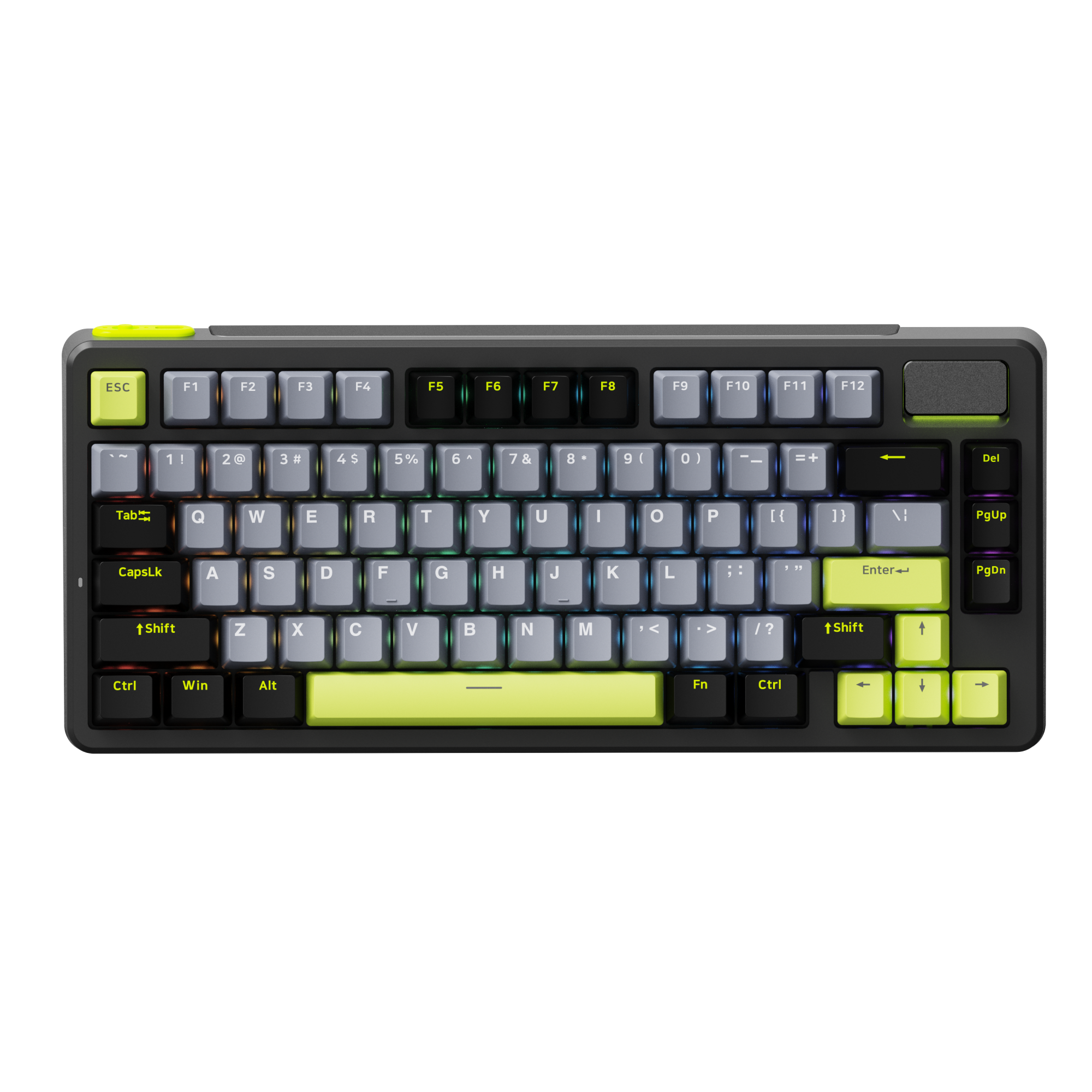


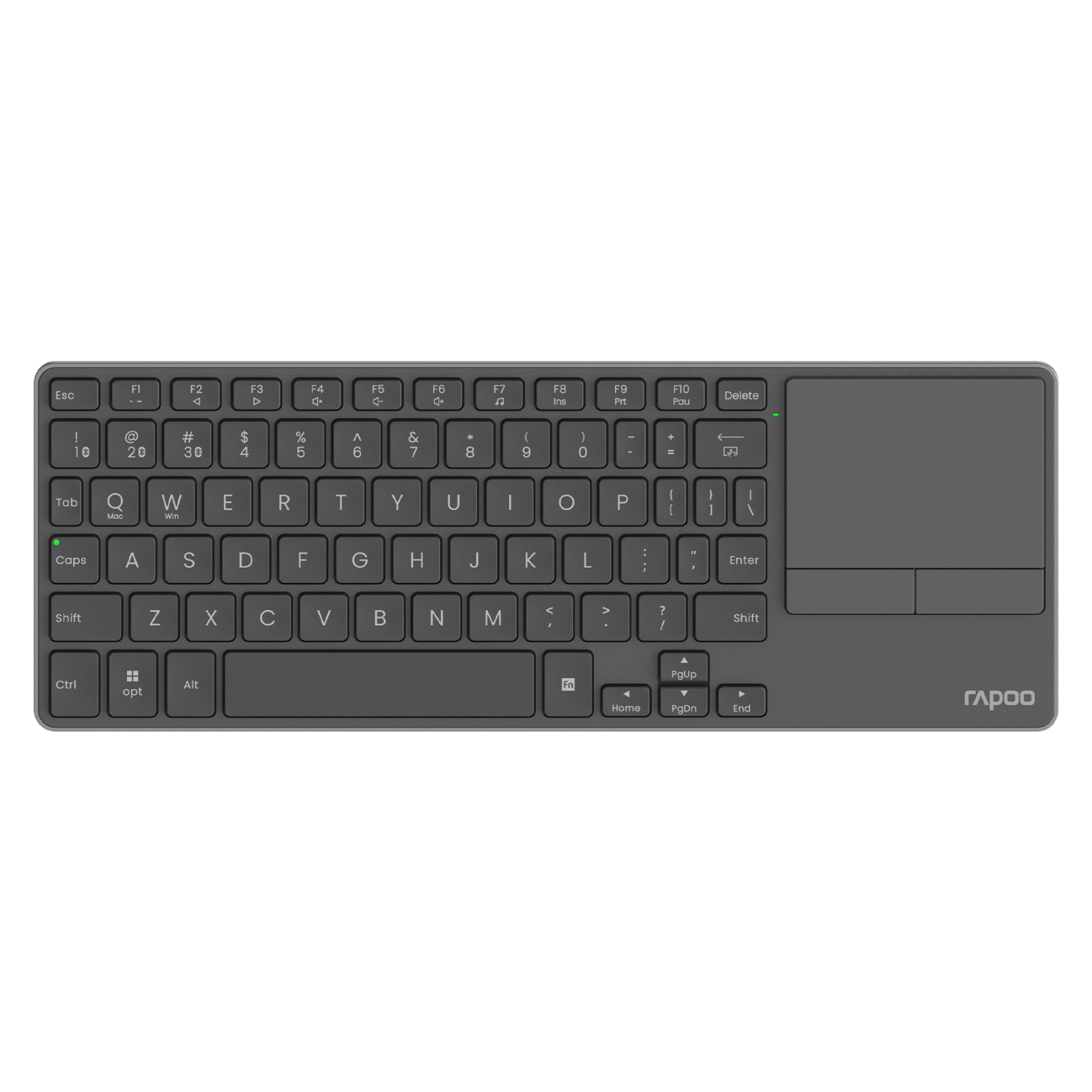

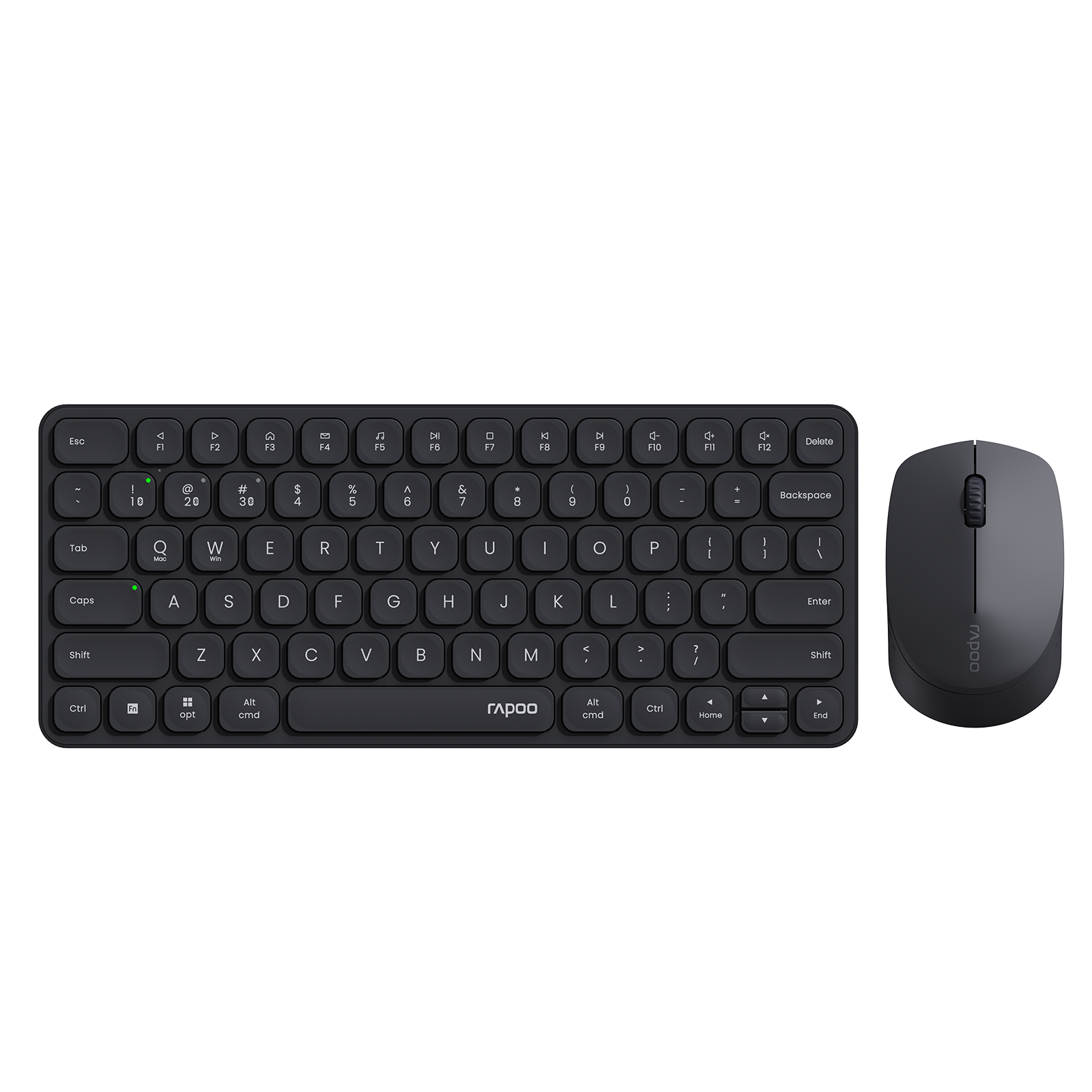


Choose a 65% keyboard if you want the most compact practical layout with dedicated arrow keys and more room for mouse movement. It is a great choice for gaming, small desks, travel setups, and users who prefer a clean minimalist workspace.
Choose a 75% keyboard if you want a compact keyboard that still keeps the function row, arrow keys, and more dedicated shortcuts. It is usually the better choice for work, productivity, programming, and users who want a smaller keyboard without giving up too many everyday keys.
| Choose a 65% Keyboard If You Want… | Choose a 75% Keyboard If You Want… |
|---|---|
| More mouse space for gaming | A dedicated function row |
| A smaller and cleaner desk setup | More shortcut keys for work |
| Better portability | Easier adjustment from a laptop or full-size keyboard |
| Dedicated arrow keys without a larger layout | A compact layout that still feels familiar |
| A minimalist keyboard for gaming or daily typing | Better productivity for office work or programming |
In simple terms, a 65% keyboard is better for users who care most about space and portability, while a 75% keyboard is better for users who want compact size without sacrificing too many dedicated keys. Both layouts remove the number pad, but the 75% keyboard gives you more direct access to function keys and navigation shortcuts.

RAPOOBg10 Apply at checkout for extra savings
What Do Keyboard Percentages Mean?
Keyboard percentages describe the general size and layout of a keyboard compared with a traditional full-size keyboard. A full-size keyboard is usually considered a 100% keyboard because it includes almost every standard key area: the main typing section, number row, function row, arrow keys, navigation keys, and number pad.
However, keyboard percentages are not always exact mathematical measurements. They are more like common layout names used to describe which key sections are included or removed. For example, a 65% keyboard does not always have exactly 65% of the keys of a full-size keyboard. Instead, it usually means the keyboard keeps the main typing area and arrow keys, while removing the function row and number pad.
Different percent keyboards are designed for different needs. Smaller layouts save desk space and create more room for mouse movement, while larger compact layouts keep more dedicated keys for work, shortcuts, and productivity.
| Keyboard Layout | What It Usually Keeps | What It Usually Removes | Best For |
|---|---|---|---|
| 65% Keyboard | Main typing keys, number row, arrow keys | Function row, number pad, many navigation keys | Gaming, portability, small desks |
| 75% Keyboard | Main typing keys, number row, function row, arrow keys, some navigation keys | Number pad | Work, gaming, productivity, programming |
| TKL Keyboard | Most standard keys except number pad | Number pad | Users who want a familiar layout without the numpad |
| 96% Keyboard | Almost all full-size keys in a tighter layout | Extra spacing between key groups | Users who need a number pad in a compact form |
| 100% Keyboard | Full typing area, function row, navigation keys, arrows, number pad | Almost nothing | Data entry, office work, users who need every key |
In short, keyboard percent refers to the layout style, not just the physical size. The main question is not whether one percentage is "better," but which key areas you actually need. If you want the smallest practical layout with arrow keys, 65% is usually enough. If you still want the function row and more shortcut keys, 75% gives you a better balance between compact size and daily usability.
What Is a 65% Keyboard?
A 65% keyboard is a compact keyboard layout that keeps the main typing area, number row, modifier keys, and dedicated arrow keys while removing the function row and number pad. Compared with a full-size keyboard, a 65 percent keyboard takes up much less desk space but still keeps enough keys for everyday typing, gaming, and casual work.
The biggest advantage of a 65 keyboard layout is that it feels more practical than a 60% keyboard for many users. Most 60% keyboards remove the arrow keys, which means you need to use shortcuts or secondary layers for basic navigation. A 65% keyboard usually keeps dedicated arrow keys, making it easier to browse pages, edit text, move through documents, and play games without adjusting too much.
A typical 65% keyboard usually includes:
| Key Area | Included on Most 65% Keyboards? |
|---|---|
| Letter keys | Yes |
| Number row | Yes |
| Modifier keys | Yes |
| Arrow keys | Usually yes |
| Function row | Usually no |
| Number pad | No |
| Navigation keys | Limited or combined with other keys |
This makes a 65% keyboard a strong choice for users who want a smaller keyboard but do not want to give up the most important navigation keys. It is especially useful for small desks, gaming setups, portable workstations, and minimalist desk layouts.
For gaming, the smaller size gives your mouse more space to move, which can feel better for FPS games or low-DPI mouse settings. For daily typing, the layout still feels familiar enough because the main typing area remains mostly unchanged. The main trade-off is that you will need to rely more on Fn layers or shortcuts for function keys and some navigation commands.
65% Keyboard Pros and Cons
| Pros | Cons |
|---|---|
| Saves more desk space than 75%, TKL, and full-size keyboards | No dedicated function row |
| Gives more room for gaming mouse movement | More reliance on Fn layers and shortcuts |
| More portable for travel or flexible work setups | Less convenient for shortcut-heavy office work |
| Usually keeps dedicated arrow keys | Not ideal for users who rely heavily on full-size keyboard layouts |
| Cleaner and more minimalist desk appearance | Limited dedicated navigation keys |
In short, a 65% keyboard is best for users who want a compact layout without losing arrow keys. It is smaller than a 75% keyboard, easier to fit on a crowded desk, and more practical than a 60% keyboard for everyday use. However, if you frequently use the function row, navigation keys, or many software shortcuts, a 75% keyboard may feel more comfortable.
What Is a 75% Keyboard?
A 75% keyboard is a compact keyboard layout that keeps the main typing area, number row, function row, dedicated arrow keys, and some navigation keys while removing the number pad. Compared with a full-size keyboard, a 75 percent keyboard saves desk space, but it still keeps more dedicated keys than a 65% keyboard.

The biggest advantage of a 75 keyboard layout is balance. It gives users a smaller keyboard footprint without feeling too limited in daily use. Unlike a 65% keyboard, a 75% keyboard usually keeps the F1-F12 function row, which makes it easier to use shortcuts, adjust media controls, access software commands, and work across productivity tools.

RAPOOBg10 Apply at checkout for extra savings
A typical 75 percent keyboard layout usually includes:
| Key Area | Included on Most 75% Keyboards? |
|---|---|
| Letter keys | Yes |
| Number row | Yes |
| Modifier keys | Yes |
| Arrow keys | Yes |
| Function row | Yes |
| Number pad | No |
| Navigation keys | Usually partial |
| Dedicated shortcuts | More than 65% |
A 75% keyboard is often a better fit for users who want a compact keyboard but still prefer a more traditional layout. It feels closer to a laptop keyboard, TKL keyboard, or full-size keyboard because the function row and arrow keys are still easy to access. That makes it especially useful for office work, programming, productivity software, browser shortcuts, and games that use function keys.
Compared with a TKL keyboard, a 75% keyboard is usually more compact because it removes some spacing between key groups and arranges the keys more tightly. Compared with a 65% keyboard, it is larger, but the extra space gives you more direct control and fewer shortcut combinations to remember.
75% Keyboard Pros and Cons
| Pros | Cons |
|---|---|
| Keeps the dedicated function row | Larger than a 65% keyboard |
| Easier for work, coding, and productivity shortcuts | Less mouse space than a 65% keyboard |
| More familiar for users coming from laptop, TKL, or full-size keyboards | Slightly less portable |
| Good balance of compact size and daily functionality | May feel crowded depending on the layout design |
| Better for users who rely on F1-F12 keys | Takes more desk space than ultra-compact layouts |
In short, a 75% keyboard is best for users who want a compact layout without giving up the function row. It is more practical than a 65% keyboard for shortcut-heavy work, programming, and productivity, while still being smaller than a TKL or full-size keyboard. If you want one keyboard for both work and gaming, 75% is often the safer and more versatile choice.
65% vs 75% Keyboard Layout: Side-by-Side Comparison
The easiest way to compare a 65% vs 75% keyboard layout is to look at which key areas each layout keeps. Both layouts remove the number pad to save desk space, but the 75% keyboard keeps more dedicated keys, especially the function row.
| Feature | 65% Keyboard | 75% Keyboard |
|---|---|---|
| Typical key count | Around 66-68 keys | Around 78-84 keys |
| Arrow keys | Usually yes | Yes |
| Function row | Usually no | Yes |
| Number pad | No | No |
| Navigation keys | Limited or layered | More dedicated keys |
| Desk space | More compact | Slightly larger |
| Learning curve | Medium | Easier |
| Best for | Gaming, portability, small desks | Work, coding, productivity |
A 65% keyboard is the better choice if you want to save as much space as possible while still keeping dedicated arrow keys. It gives your mouse more room to move, which is helpful for gaming and compact desk setups. The trade-off is that you usually lose the dedicated function row, so you may need to use Fn shortcuts for F1-F12, media controls, and some navigation commands.
A 75% keyboard is slightly larger, but it feels more familiar because it keeps the function row and more dedicated keys. This makes it easier for users who switch between work, gaming, browsing, and productivity software throughout the day. If you often use keyboard shortcuts, function keys, or navigation commands, a 75% layout will usually feel more convenient.
In practical terms, the choice comes down to this: 65% is better for maximum desk space and portability, while 75% is better for users who want a compact keyboard with fewer compromises.
How Many Keys Are on a 65% or 75% Keyboard?
A 65% keyboard usually has around 66 to 68 keys, while a 75% keyboard usually has around 78 to 84 keys. The exact number can vary by brand, layout style, and whether the keyboard includes extra navigation keys, a knob, split keys, or custom function buttons.
| Keyboard Layout | Typical Key Count | What It Usually Includes | What It Usually Removes |
|---|---|---|---|
| 65% Keyboard | Around 66-68 keys | Main typing area, number row, arrow keys, modifier keys | Function row, number pad, most navigation keys |
| 75% Keyboard | Around 78-84 keys | Main typing area, number row, function row, arrow keys, some navigation keys | Number pad |
Is a 65% or 75% Keyboard Better for Gaming?
For gaming, a 65% keyboard is usually better if you want more mouse space, while a 75% keyboard is better if you need the function row or extra shortcuts.
A 65% keyboard is especially useful for FPS players because it takes up less horizontal space. If you play with low DPI or make wide mouse movements, the smaller layout gives your mouse hand more freedom and makes the desk feel less crowded.
A 75% keyboard is better for gamers who use F1-F12 keys, media controls, macros, or game-specific shortcuts. It is also a better choice if you use the same keyboard for both gaming and work.
| Gaming Need | Better Choice | Why |
|---|---|---|
| More mouse space | 65% keyboard | Narrower layout gives your mouse more room |
| FPS gaming | 65% keyboard | Better for low-DPI and wide mouse movement |
| F1-F12 shortcuts | 75% keyboard | Keeps the function row |
| Gaming + work | 75% keyboard | More practical for daily use |
| Minimalist setup | 65% keyboard | Smaller and cleaner desk layout |
In short, choose 65% for mouse freedom and compact gaming setups. Choose 75% if you want a gaming keyboard that also feels easier for shortcuts, work, and everyday use.
Is a 65% or 75% Keyboard Better for Work?

For work, a 75% keyboard is usually the better choice because it keeps the function row, arrow keys, and more dedicated shortcuts while still saving space compared with a full-size keyboard.
A 65% keyboard can still work well for writing, email, browsing, and light office tasks. It is compact and keeps your desk clean, but you may need to use Fn shortcuts more often for function keys, navigation commands, or software controls.
A 75% keyboard is more practical if you often use shortcuts in spreadsheets, browsers, design tools, coding software, or productivity apps. The layout feels closer to a laptop or traditional keyboard, so most users can adapt to it faster.
| Work Need | Better Choice | Why |
|---|---|---|
| Writing, email, browsing | 65% or 75% | Both layouts are comfortable for basic typing |
| Spreadsheet work | 75% keyboard | More dedicated keys and shortcuts |
| Frequent F1-F12 use | 75% keyboard | Keeps the function row |
| Small desk setup | 65% keyboard | Saves more horizontal space |
| Hybrid work + gaming | 75% keyboard | Better balance of compact size and daily function |
| Travel or flexible setup | 65% keyboard | Easier to carry and fit into smaller spaces |
In short, choose 65% if your work is mostly typing and you want the smallest practical layout. Choose 75% if you want a compact keyboard that feels easier for daily productivity, shortcuts, and multitasking.
Is a 65% or 75% Keyboard Better for Programming?

The real question is not just size. For developers, the key difference is whether you are comfortable using shortcuts and layered key commands. If you want fewer compromises, choose 75%. If you prefer a smaller keyboard and already work well with custom shortcuts, a 65% keyboard can still be a strong programming layout.
For programming, a 75% keyboard is usually the better choice because it keeps the function row, arrow keys, and more dedicated shortcuts. This makes it easier to work in code editors, terminals, browsers, and development tools without relying too much on secondary key layers.
A 65% keyboard can still be good for programming, especially if you like a cleaner desk setup and are comfortable using Fn shortcuts. Many developers prefer compact keyboards because they reduce hand movement and leave more room for a mouse or trackpad. However, the missing function row may slow you down if you often use F1-F12 commands, debugging shortcuts, or IDE-specific controls.
| Programming Need | Better Choice | Why |
|---|---|---|
| Frequent function key use | 75% keyboard | Keeps F1-F12 keys directly available |
| Code editing and navigation | 75% keyboard | More dedicated keys for shortcuts and movement |
| Minimalist desk setup | 65% keyboard | Smaller layout saves more space |
| Comfortable with Fn layers | 65% keyboard | Works well if you already use keyboard shortcuts |
| Easier adjustment from laptop or full-size keyboard | 75% keyboard | More familiar layout with fewer missing keys |
Which Should You Choose: 65% or 75% Keyboard?
Choose a 65% keyboard if you want a smaller, cleaner setup with more room for mouse movement. It is the better choice for gaming, small desks, travel, and users who are already comfortable using shortcuts or Fn layers.
Choose a 75% keyboard if you want compact size but still need the function row and more dedicated keys. It is usually the better option for work, coding, multitasking, and users who want an easier transition from a laptop, TKL, or full-size keyboard.
| Choose This | If You Care Most About |
|---|---|
| 65% keyboard | Maximum desk space, gaming, portability, clean setup |
| 75% keyboard | Function row, work efficiency, coding, easier adjustment |
| 65% keyboard | You already use shortcuts and Fn layers comfortably |
| 75% keyboard | Compact size without losing too many dedicated keys |
FAQ
What is the main difference between a 65% and 75% keyboard?
A 65% keyboard is smaller and usually removes the function row, while a 75% keyboard keeps the function row and more dedicated keys. Choose 65% for more desk space and portability. Choose 75% if you want a compact layout that still feels closer to a traditional keyboard.
How many keys does a 65% keyboard have?
A 65% keyboard usually has around 66 to 68 keys. Most 65% keyboards keep the main typing area, number row, arrow keys, and modifier keys, but remove the function row, number pad, and some navigation keys.
How many keys does a 75% keyboard have?
A 75% keyboard usually has around 78 to 84 keys. It normally keeps the function row, arrow keys, and some navigation keys while removing the number pad to save space.
Is a 65% keyboard good for gaming?
Yes. A 65% keyboard is good for gaming because it saves desk space and gives your mouse more room to move. It is especially useful for FPS players who use lower DPI settings or wider mouse movements.
Is a 75% keyboard better for work?
For many users, yes. A 75% keyboard is often better for work because it keeps the function row and more dedicated shortcut keys. It is easier to adapt to if you are coming from a laptop, TKL, or full-size keyboard.
Do 65% keyboards have arrow keys?
Most 65% keyboards include dedicated arrow keys. This is one of the main reasons many users choose 65% over 60%, since 60% keyboards often require shortcuts for arrow key functions.
Do 75% keyboards have function keys?
Yes. A 75% keyboard usually includes a dedicated F1-F12 function row. This makes it more convenient for productivity software, gaming shortcuts, media controls, and daily work. Learn more in our 75% Keyboard Guide.
Is a 65% or 75% keyboard better for programming?
A 75% keyboard is usually easier for programming because it keeps more dedicated keys, including the function row. A 65% keyboard can still work well if you are comfortable using Fn layers and custom shortcuts.
Is a 75% keyboard too big for gaming?
No. A 75% keyboard is still compact compared with TKL and full-size keyboards. However, if your main goal is maximum mouse space, a 65% keyboard may feel better for gaming.
Should I get a 65% or 75% keyboard?