

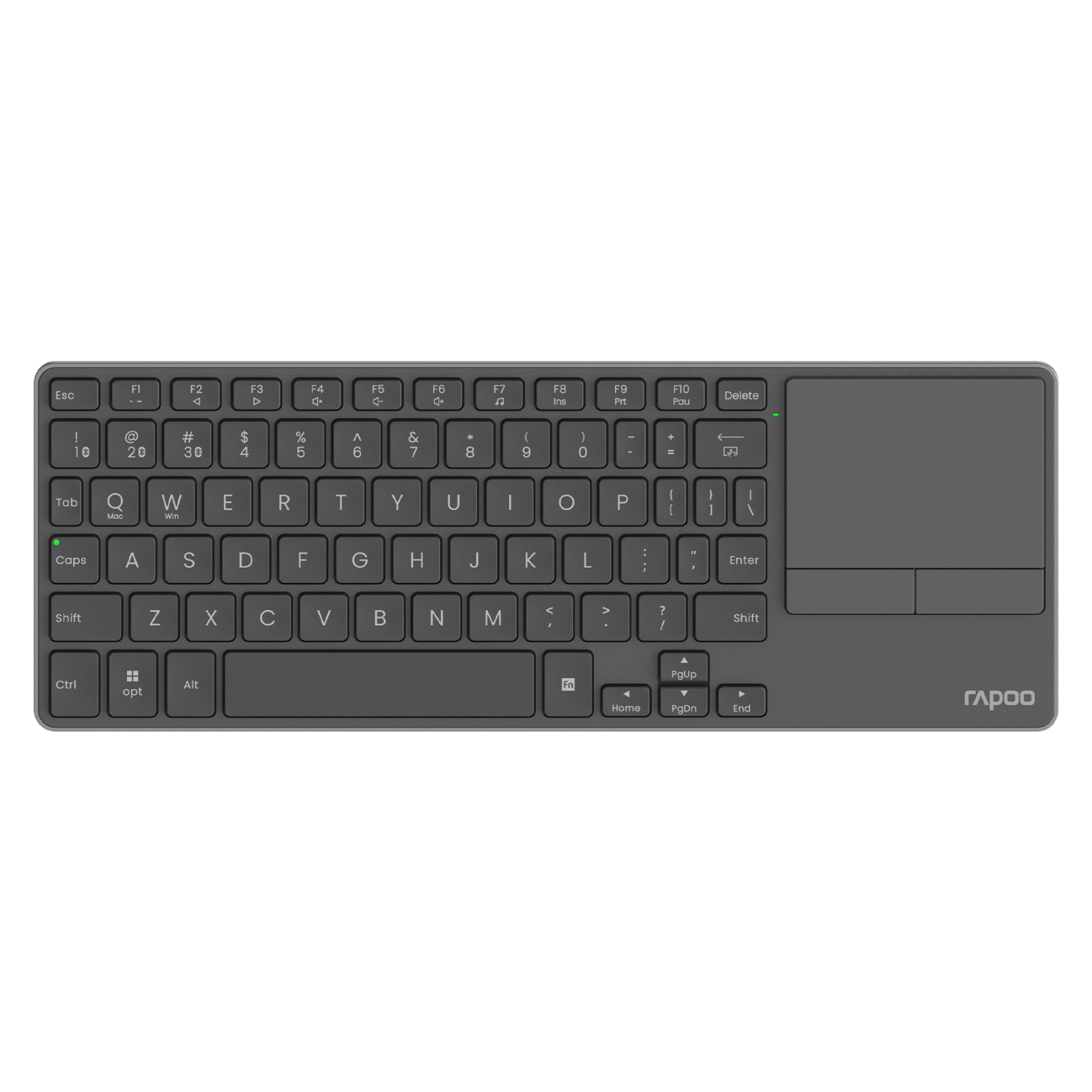

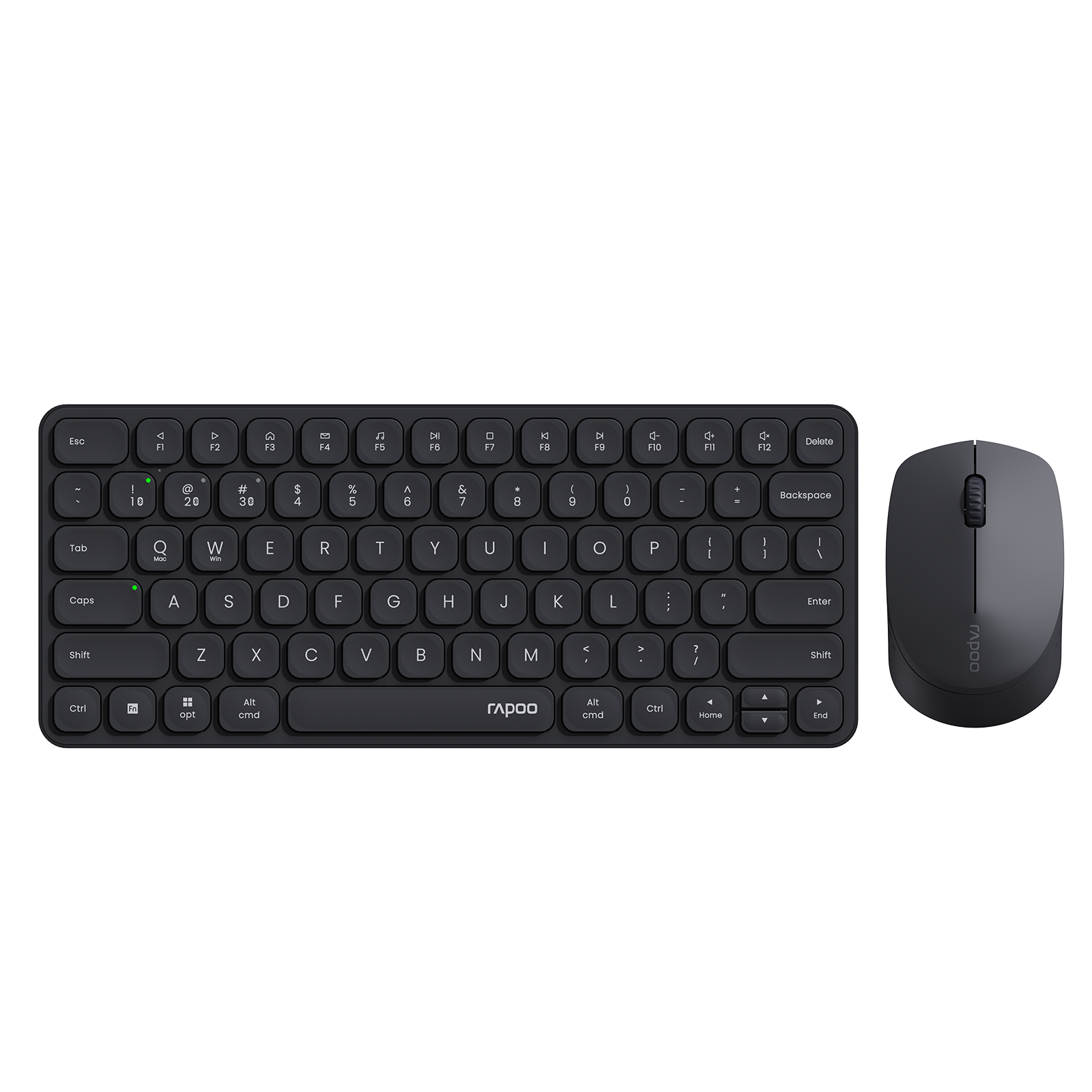


When comparing a 60% vs 65% keyboard, the real difference is not just a few extra keys. It is a difference in how the keyboard feels in daily use. A 60% keyboard is built for maximum compactness, removing dedicated arrow keys, the function row, and the navigation cluster to save as much space as possible. A 65% keyboard keeps the same compact direction, but adds back dedicated arrow keys and a small number of extra keys that make typing, editing, and general use more practical.
That is why these two layouts often appeal to different users. A 60% keyboard is usually more attractive to people who want the smallest possible footprint or more mouse space for gaming. A 65% keyboard is often the more balanced choice for users who want a compact keyboard without giving up too much everyday usability. In this guide, we will break down the real differences between 60% and 65% keyboards, including layout, size, gaming use, typing comfort, and which one makes more sense for your setup.
What Is a 60% Keyboard?
A 60% keyboard is a compact keyboard layout that removes the numpad, the function row, the dedicated arrow keys, and the separate navigation cluster, leaving only the main alphanumeric keys, modifiers, and a few essential control keys. In a standard US ANSI layout, a 60% keyboard typically has 61 keys.

Compared with a full-size, TKL, or 65% keyboard, a 60% keyboard has a smaller footprint because it keeps only the core typing area. Its defining structural characteristics are straightforward: it has no dedicated arrow keys, no function row, and no separate navigation cluster. Commands such as arrow input, function keys, and navigation keys are handled through Fn layers instead of dedicated physical keys.
That is why a 60% keyboard is considered a more minimal layout. It is built to reduce desk space and maximize compactness, not to preserve the full key set of larger layouts. This makes it especially attractive to users who want a cleaner setup or more gaming mouse room, but it also means the layout requires more layer-based input than larger keyboards.
What Is a 65% Keyboard?
A 65% keyboard is a compact keyboard layout that removes the numpad and the function row but keeps the core typing area along with dedicated arrow keys. In a standard US ANSI layout, a 65% keyboard typically has 67 or 68 keys, depending on the exact arrangement of the right-side keys.
Compared with a 60% keyboard, a 65% keyboard is still compact, but it adds back a small set of keys that many users rely on more often in everyday use. Its defining structural difference is clear: a 65% layout includes dedicated arrow keys and usually places a few navigation keys on the right side of the board. These extra keys commonly include functions such as Delete, Page Up, and Page Down, though the exact combination and placement can vary by brand and layout design.
That is why a 65% keyboard is widely treated as a more practical compact layout. It preserves a smaller footprint than TKL and full-size keyboards, but it avoids the full key reduction of a 60% layout. For most users, this makes a 65% keyboard an easier transition from larger keyboards because the arrow keys remain directly accessible and fewer everyday commands need to be moved to Fn layers.
60 vs 65 Keyboard: What’s the Main Difference?
The main difference between a 60% and 65% keyboard is that a 65% layout adds dedicated arrow keys and a small number of navigation keys, while a 60% layout removes them to stay more compact. Both layouts remove the numpad and the function row, but a 65% keyboard keeps more direct-access keys for everyday use. A 60% keyboard typically has around 61 keys, while a 65% keyboard typically has around 67 or 68 keys, depending on the exact layout.
| Feature | 60% keyboard | 65% keyboard |
|---|---|---|
| Dedicated arrow keys | No | Yes |
| Navigation keys | No dedicated navigation cluster | Yes, a few keys on the right side |
| Function row | No | No |
| Desk footprint | Smaller | Slightly larger |
| Learning curve | Higher | Lower |
| Best for | Users who want maximum compactness and more mouse space | Users who want a compact layout with better everyday usability |
A 65% keyboard does not feel different just because it has a few more keys. It feels different because the keys it adds back are the keys many people use most often outside of basic typing. Dedicated arrow keys and a few navigation keys reduce the need for Fn-layer combinations, which makes cursor movement, text editing, browsing, and general desktop use more direct. That is why a 65% keyboard often feels easier to adapt to, even though it is only slightly larger than a 60% keyboard.
In practical use, this changes the experience across gaming, typing, and daily work. A 60% keyboard gives you the smallest footprint and the most free desk space, which is one reason it remains popular with users who want a cleaner setup or more room for mouse movement. A 65% keyboard keeps a compact form but reduces the amount of layer-dependent input, so it usually works better for users who need a keyboard for both gaming and everyday tasks.
Is a 60% Keyboard Better for Gaming?
A 60% keyboard can be better for gaming, but only in specific situations. Its main advantage is that it takes up less desk space, which leaves more room for mouse movement. That matters most in games where large and fast mouse swipes are common, especially in FPS titles. For players who use low sensitivity settings, a smaller keyboard can make the setup feel less crowded and more comfortable.
That said, a 60% keyboard is not automatically better for every type of game. Because it has no dedicated arrow keys, no function row, and no separate navigation cluster, more actions depend on Fn-layer shortcuts. In games that rely heavily on extra key access, menus, or non-standard bindings, that can be less convenient than a larger layout.
So the real answer is this: a 60% keyboard is often better for gaming when mouse space and compactness matter more than direct access to extra keys. For players who mainly focus on competitive games and want the smallest possible footprint, it can be an excellent fit. For users who want a keyboard that handles gaming and everyday use with fewer compromises, a 65% keyboard is often the more balanced option.
Is a 65% Keyboard Better for Everyday Use?
Yes. For most users, a 65% keyboard is better for everyday use than a 60% keyboard. The biggest reason is that it keeps the layout compact while bringing back dedicated arrow keys and a few right-side keys that are more useful in daily work. On many 65% keyboards, those extra keys are commonly assigned to functions such as Insert, Delete, Page Up, and Page Down, although the exact default layout can vary by model. That small change makes a real difference in office use because it reduces how often you need to rely on Fn layers for text editing, navigation, and routine desktop tasks.
A 65% keyboard also gives most users a better work-and-gaming balance. It stays compact enough for a cleaner setup and good mouse space, but it is easier to adapt to than a 60% keyboard because more commonly used keys remain directly accessible. That is one reason 65% layouts are often a better fit for first-time compact keyboard users.
Another practical advantage is that many modern 65% keyboards support remapping and macro functions. That means those extra right-side keys can often be reassigned based on the user’s habits, such as mapping them to F-row functions, Insert, Scroll Lock, Pause/Break, or other navigation commands. Users can also assign macros to turn one key into a common office shortcut or a repeated command sequence, which makes a 65% keyboard even more flexible for daily work.
Who Should Choose a 60% Keyboard?
A 60% keyboard is best suited for users who want the smallest practical keyboard layout without moving into more niche form factors. Because it removes the numpad, function row, dedicated arrow keys, and navigation cluster, it keeps only the core typing area and delivers a significantly more compact footprint than larger layouts. That makes it especially attractive to people who value a cleaner desk setup, easier portability, or a more minimal keyboard layout overall.
It also makes strong sense for gamers who care about mouse space, particularly in FPS setups. A smaller keyboard leaves more open desk area for wider mouse movement and makes it easier to position the keyboard at a more aggressive angle if that suits the player’s posture and hand placement. This is one of the main reasons 60% keyboards remain popular in competitive gaming environments, especially among users who prefer lower sensitivity and broader mouse swipes.
A 60% keyboard is also a good fit for users who are already comfortable with layer shortcuts. Since the layout removes several dedicated keys, many common functions are accessed through Fn layers and custom mappings instead of separate physical keys. For users who already understand that workflow, the layout can feel efficient rather than restrictive. For users who do not want to rely on layers for arrow keys, navigation, or function inputs, a 60% keyboard is usually not the better choice.
Who Should Choose a 65% Keyboard?
A 65% keyboard is the better choice for users who want a compact layout without giving up dedicated arrow keys. It keeps the smaller footprint of a compact board, but it does not reduce the layout as aggressively as a 60% keyboard. That makes it a better fit for people who want to save desk space while still keeping a more practical key arrangement for everyday use.
It is also a strong option for mixed work-and-gaming users. A 65% keyboard stays small enough for cleaner setups and comfortable mouse room, but it keeps more directly accessible keys for typing, text navigation, and general desktop tasks. That balance is one of the main reasons 65% layouts are often seen as more versatile than 60% layouts for users who want one keyboard for both play and daily work.
A 65% keyboard is also the more natural choice for beginners switching from a full-size or TKL keyboard. Because the layout keeps dedicated arrow keys and a few extra right-side keys, it feels more familiar and requires less adjustment than a 60% board. For users who are new to compact keyboards and do not want to depend heavily on Fn layers right away, a 65% layout is usually the easier place to start.
What If Neither a 60% nor 65% Keyboard Feels Right?
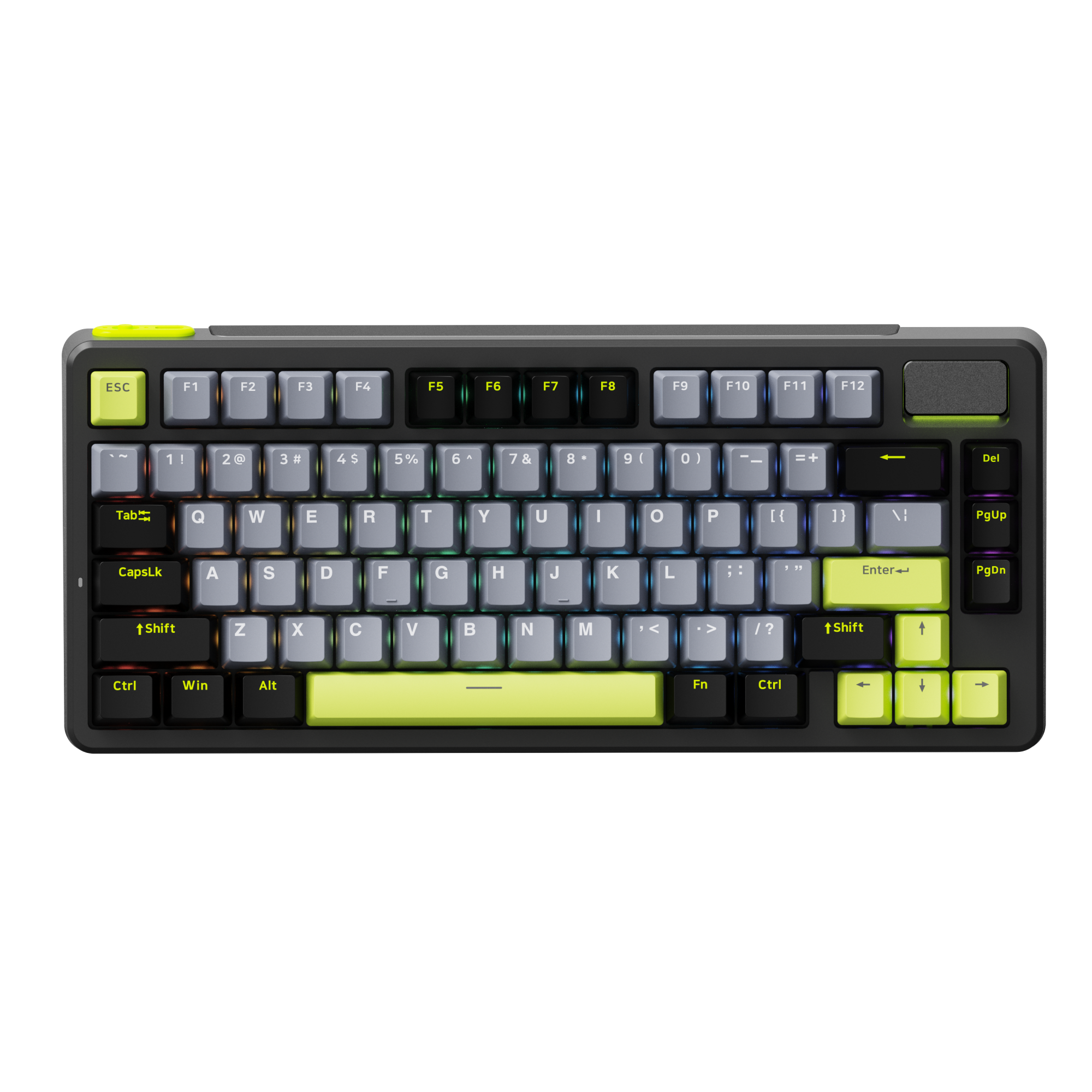
If you have compared 60% and 65% keyboards and still feel unsure, that is actually pretty common. Not everyone wants to jump straight into a more compact layout, especially if they are used to having more keys within easy reach. If a 60% keyboard feels too restrictive and a 65% keyboard still sounds like a compromise, a 75% keyboard is often the safer starting point.

A 75% keyboard still saves a noticeable amount of desk space, but it keeps more of the keys most people are used to, including the function row and dedicated arrow keys. That makes it easier to adjust to, especially for users coming from a full-size or TKL keyboard who want something smaller without changing their habits too much.

RAPOOBg10 Apply at checkout for extra savings
In simple terms, a 60% keyboard is the most aggressive compact layout, a 65% keyboard is the more balanced compact option, and a 75% keyboard is often the easiest one to live with at the beginning. If you are worried about losing too many keys or do not want your first compact keyboard to feel like a learning curve, starting with a 75% layout usually makes more sense.

RAPOOBg10 Apply at checkout for extra savings
FAQ
What is the difference between a 60% and 65% keyboard?
A 60% keyboard removes the function row, the dedicated arrow keys, and the separate navigation cluster to keep the layout as compact as possible. A 65% keyboard keeps the same compact direction but adds back dedicated arrow keys and a small number of right-side keys, which is why it feels more practical in daily use without becoming much larger. Typical key counts are around 61 keys for 60% and 67–68 keys for 65%, depending on the layout.
Does a 65% keyboard have arrow keys?
Yes. Dedicated arrow keys are one of the defining features of a 65% keyboard. That is the clearest structural difference between a 65% layout and a 60% layout.
Is a 60% keyboard too small?
For some users, yes. A 60% keyboard is intentionally compact, but that compactness comes from removing dedicated arrow keys, the navigation cluster, and the function row. As a result, it depends more heavily on Fn layers, which can make it less convenient for users who frequently edit text, use shortcuts, or need more direct key access during daily work.
Is 65% better than 60% for typing?
For many users, yes. A 65% keyboard is often easier for general typing and everyday desktop use because arrow keys remain directly accessible and the layout usually includes a few extra keys on the right side. A 60% keyboard can still work well for typing, but it requires more layer-based input for navigation and editing tasks.
Is a 60% keyboard better for gaming?
It can be. A 60% keyboard gives you a smaller footprint and more mouse space, which is one reason it is popular in FPS setups, especially for players who use lower sensitivity and wider mouse movement. But it is not automatically better for every game, because the missing dedicated keys increase reliance on layers and key combinations.
How many keys are on a 60% keyboard?
A 60% keyboard typically has around 61 keys in a standard layout. Keyboard size categories are not perfectly rigid across every brand, but 61 keys is the most common reference point for 60% boards.
How many keys are on a 65% keyboard?
A 65% keyboard typically has 67 or 68 keys, depending on the exact arrangement of the right-side keys and the specific layout design. Some brands describe 65% as a 68-key layout, while others note small variation within the same size category.
Recommended reading
Mechanical Keyboard vs Normal Keyboard: Which One Should You Buy?
75% Keyboard Guide: Layout, Key Count, and How to Choose
What Is an 1800 Keyboard? The Complete Compact Keyboard Guide
1800 Keyboard vs Full Size Keyboard: Key Differences Explained
Membrane vs Mechanical Keyboard: What’s the Real Difference?