



When choosing a keyboard, many people face the same question: mechanical keyboard vs normal keyboard — which one should you choose?
While they may look similar, mechanical and normal keyboards offer very different typing experiences. Mechanical keyboards are known for their tactile feedback and durability, while normal keyboards are quieter, more affordable, and commonly used in offices and everyday setups.
In this guide, we’ll compare a mechanical keyboard vs normal across typing feel, performance, noise, and value—so you can quickly decide which option fits your needs best.
What Is a Mechanical Keyboard?
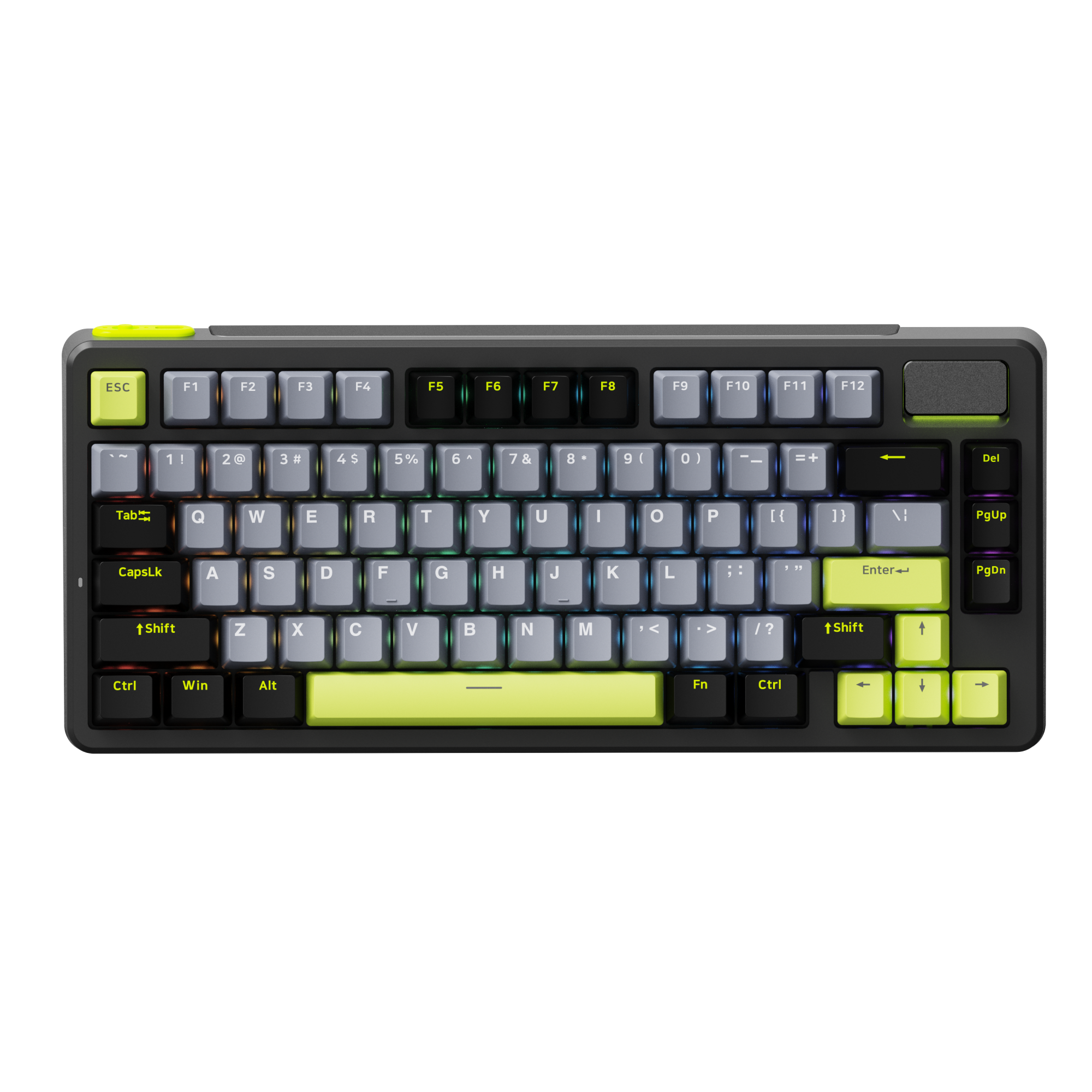
A mechanical keyboard is a type of keyboard that uses individual mechanical switches under each key, rather than a single rubber membrane shared across the entire board. Each keypress is registered by its own switch, which creates a more precise, consistent, and responsive typing experience.

One of the biggest advantages of a mechanical keyboard is the variety of switch types available. The three most common categories are Linear, Tactile, and Clicky switches—each offering a different feel and sound. Linear switches provide smooth, uninterrupted keystrokes, tactile switches deliver a noticeable bump when the key actuates, and clicky switches add an audible click along with tactile feedback. This variety allows users to choose a switch that matches their typing style or gaming preference.
Mechanical keyboards are also known for their high level of customization. Users can often swap keycaps, change switches (on hot-swappable models), and choose from different layouts and form factors. This flexibility makes mechanical keyboards especially popular among enthusiasts, gamers, and professionals who value a personalized setup.
In terms of durability, mechanical keyboards are built to last. Most mechanical switches are rated for 50 million keystrokes or more per key, making them significantly more durable than normal keyboards over long-term use.
What Is a Normal Keyboard?
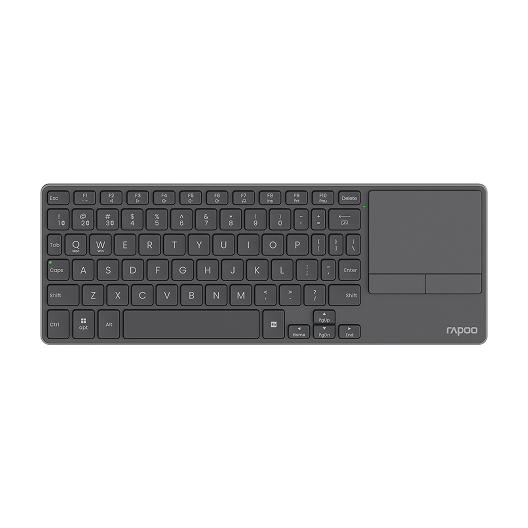
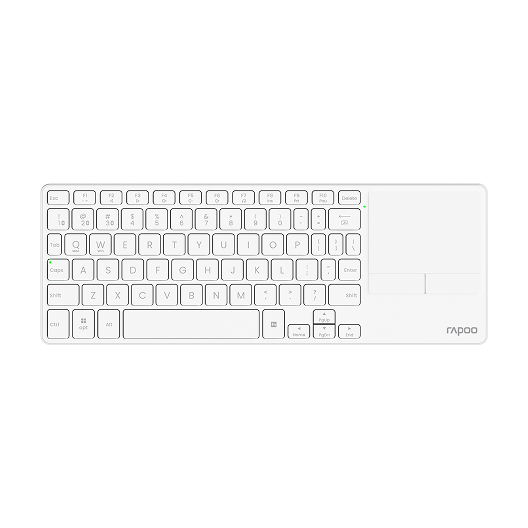
A normal keyboard—also known as a membrane or regular keyboard—uses a rubber membrane instead of individual switches for each key. When a key is pressed, it pushes down on this membrane to register the input.

Because of this design, normal keyboards typically feel softer and quieter than mechanical keyboards, making them a popular choice for offices, schools, and everyday use. They are also more affordable and widely available, often included with desktop computers or laptops.
While normal keyboards are easy to use and require little adjustment, they usually offer less feedback, fewer customization options, and a shorter lifespan compared to mechanical keyboards, which makes them better suited for casual typing rather than heavy or long-term use.
Mechanical Keyboard vs Normal Keyboard — Key Differences
When comparing a mechanical keyboard vs normal keyboard, the biggest differences come down to how they feel, how long they last, and how they perform in real-world use. While both types get the job done, they are designed for very different users and scenarios.
The table below highlights the key differences at a glance.
Mechanical Keyboard vs Normal Keyboard: Side-by-Side Comparison
| Feature | Mechanical Keyboard | Normal Keyboard |
|---|---|---|
| Key Mechanism | Individual mechanical switches | Rubber membrane |
| Typing Feel | Crisp, precise, tactile or smooth | Soft, cushioned, less defined |
| Responsiveness | Fast and consistent | Adequate for daily use |
| Noise Level | Medium to loud (varies by switch) | Generally quiet |
| Durability | ~50 million+ keystrokes per key | ~5–10 million keystrokes |
| Customization | High (switches, keycaps, layouts) | Very limited |
| Price Range | Higher upfront cost | More budget-friendly |
| Best For | Gaming, typing, power users | Office work, casual use |
What These Differences Mean in Practice
A mechanical keyboard offers greater precision and consistency, which is why it’s favored by gamers, programmers, and heavy typists. Each keypress is registered independently, resulting in better feedback and long-term reliability.
On the other hand, a normal keyboard prioritizes simplicity and quiet operation. It’s easy to use, affordable, and perfectly suitable for everyday tasks like emails, documents, and general browsing—especially in shared or quiet environments.
In short, the choice between a mechanical keyboard vs regular keyboard isn’t about which one is “better,” but which one fits your typing habits, environment, and expectations.
Typing Experience — Which Feels Better?
The typing experience is often the biggest factor when choosing between a mechanical keyboard vs normal keyboard. While both can handle daily typing, they feel very different in use—especially during long sessions.
Mechanical keyboards are known for their clear, consistent feedback. Each keypress feels more defined, which helps many users type with greater accuracy and confidence. Depending on the switch type, the keystroke can feel smooth, slightly tactile, or distinctly clicky. For writers, programmers, and anyone who types for hours, this feedback can reduce uncertainty and improve overall typing rhythm.
Normal keyboards, by contrast, offer a softer and more cushioned feel. The keys usually bottom out with less resistance and less feedback, which some users find comfortable at first. For light typing tasks—such as emails, forms, or short documents—this softer feel can be perfectly adequate and less distracting, especially in quiet environments.
Over longer typing sessions, the difference becomes more noticeable. Many users find that mechanical keyboards feel more controlled and less fatiguing over time, while others prefer the gentle, low-effort keystrokes of a normal keyboard. Ultimately, the better typing experience comes down to personal preference, typing habits, and how long you spend at the keyboard each day.
Gaming Performance — Does a Mechanical Keyboard Really Matter?
In gaming, the differences between a mechanical keyboard vs normal keyboard become more noticeable—especially in fast-paced or competitive titles. While both can handle basic gameplay, their performance under pressure is not the same.

Mechanical Keyboard vs Normal Keyboard for Gaming
| Gaming Factor | Mechanical Keyboard | Normal Keyboard |
|---|---|---|
| Key Actuation | Fast, consistent per-key switches | Softer, less precise |
| Input Accuracy | High, reliable multi-key input | Limited under heavy input |
| Key Rollover | Commonly supports N-key rollover | Often limited |
| Response Consistency | Stable even during long sessions | Can feel inconsistent |
| Feedback | Clear tactile or linear feedback | Minimal feedback |
| Structural Stability | Enhanced with gasket mount & internal dampening | Basic internal structure |
| Noise & Vibration | Reduced with sound-dampening materials | Naturally quiet |
| Best For | Competitive & frequent gaming | Casual gaming |
What This Means for Gamers
Mechanical keyboards provide more precise and consistent input, which is why they are widely used by competitive gamers. Beyond switch performance, keyboard structure also plays an important role in gaming comfort and consistency.
Designs that use a gasket-mounted structure and multi-layer internal dampening help reduce vibration, stabilize keystrokes, and maintain a more uniform typing feel during long gaming sessions. This can make fast, repeated inputs feel more controlled and less fatiguing over time.
Normal keyboards, on the other hand, remain a solid choice for casual or occasional gaming. They are quieter, simpler, and perfectly capable of handling everyday play—especially when competitive performance is not the primary focus.
A mechanical keyboard won’t magically improve your skills, but for gamers who care about control, responsiveness, and long-session consistency, it offers a clear advantage over a normal keyboard.
Noise, Comfort, and Office Use
Noise and comfort play a major role when choosing between a mechanical keyboard vs normal keyboard, especially in offices, shared workspaces, or home environments.

Mechanical Keyboard vs Normal Keyboard for Office Use
| Factor | Mechanical Keyboard | Normal Keyboard |
|---|---|---|
| Typing Noise | Varies by switch & internal design | Very quiet |
| Office Friendliness | Switch- and structure-dependent | Highly office-friendly |
| Long-Term Comfort | High with the right setup | Comfortable for light typing |
| Learning Curve | Moderate | Very low |
| Distraction Risk | Can be minimized with proper design | Minimal |
What Works Best in Real Office Environments
Mechanical keyboards are not automatically loud. While switch type plays an important role, internal structure and sound-dampening design matter just as much. Linear and silent tactile switches can already reduce noise, and when combined with the right keyboard construction, a mechanical keyboard can be surprisingly office-friendly.
Keyboards like the Rapoo V700DIY Series are designed with this in mind. Its flexible gasket-mounted structure, combined with multi-layer internal sound dampening and dual-layer PORON foam, helps absorb vibration and reduce harsh typing noise. The result is a softer, more controlled sound profile that works well even in shared workspaces.

Beyond noise, many users find that the satisfying typing feel of a mechanical keyboard adds a bit of enjoyment to otherwise repetitive office work. With customizable switches and keycaps, long typing sessions can feel more comfortable, focused, and engaging.
In the end, the best choice depends on how long you type, how sensitive your environment is to noise, and whether you value silence, comfort, or feedback more. In shared spaces, thoughtful design often matters more than raw performance.
Price & Value — Is a Mechanical Keyboard Worth the Money?
Price is often the deciding factor when comparing a mechanical keyboard vs normal keyboard, but upfront cost doesn’t always reflect long-term value.
Mechanical Keyboard vs Normal Keyboard: Price & Value Comparison
| Aspect | Mechanical Keyboard | Normal Keyboard |
|---|---|---|
| Typical Price Range | Higher upfront cost | More affordable |
| Lifespan | Very long (50M+ keystrokes) | Shorter (5–10M keystrokes) |
| Long-Term Value | High for frequent users | Better for short-term use |
| Repair & Upgrades | Often possible | Rarely practical |
| Cost Over Time | Lower for heavy use | May require replacement sooner |
Understanding the Real Value
Mechanical keyboards usually cost more at the beginning, but they are designed for long-term use. For users who type or game daily, the durability, consistent performance, and ability to replace keycaps or switches can make a mechanical keyboard a better investment over time.
Normal keyboards, on the other hand, offer excellent value for users with basic needs or limited budgets. If you only type occasionally or prefer a simple, quiet keyboard without extra features, a normal keyboard delivers everything you need at a lower cost.
In the end, the choice between a mechanical keyboard vs regular keyboard comes down to how often you use it and what you expect from it. Frequent users tend to benefit more from mechanical keyboards, while casual users may find a normal keyboard to be the smarter and more economical option.
Who Should Choose a Mechanical Keyboard?
A mechanical keyboard is not for everyone—but for the right user, it can be a significant upgrade. If you value performance, feedback, and long-term durability, a mechanical keyboard may be the better choice.
You should consider a mechanical keyboard if you fall into one or more of the following groups:
- Gamers: If you play fast-paced or competitive games, the precise input, faster key response, and reliable multi-key recognition of a mechanical keyboard can provide better control and consistency.
- Programmers and writers: For users who type for hours every day, the defined key feedback and consistent actuation can improve typing accuracy and reduce fatigue over long sessions.
- Power users and heavy typists: If your keyboard sees constant daily use, the long lifespan of mechanical switches offers better value and reliability over time.
- Keyboard enthusiasts and custom setup lovers: Mechanical keyboards allow for extensive customization, from switches and keycaps to layouts and form factors, making them ideal for users who enjoy tailoring their setup.
In short, if typing feel, performance, and durability matter more to you than absolute silence or the lowest price, a mechanical keyboard is likely the better fit.
Who Should Choose a Normal Keyboard?
A normal keyboard may not offer the same level of performance or customization as a mechanical keyboard, but for many users, it remains the more practical and sensible choice.
You should consider a normal keyboard if you fit into one or more of the following categories:
- Office and workplace users If you work in a shared or quiet environment, the low noise and soft keystrokes of a normal keyboard make it more office-friendly and less distracting to others.
- Casual and everyday users For basic tasks such as emails, web browsing, online forms, and light document work, a normal keyboard provides everything you need without added complexity.
- Budget-focused buyers Normal keyboards are typically more affordable and widely available, making them a good option for users who want a reliable keyboard at a lower price.
- Users who prefer simplicity If you don’t care about switch types, keycaps, or customization—and just want a keyboard that works out of the box—a normal keyboard offers a familiar and hassle-free experience.
In short, if your priorities are quiet operation, simplicity, and affordability, a normal keyboard is often the better fit.
Frequently Asked Questions (FAQ)
Is a mechanical keyboard better than a normal keyboard?
A mechanical keyboard is not universally better—it depends on how you use it. Mechanical keyboards offer better feedback, durability, and customization, making them ideal for gamers and heavy typists. Normal keyboards are quieter, more affordable, and better suited for office or casual use.
What is the main difference between a mechanical keyboard and a normal keyboard?
The main difference lies in the key mechanism. Mechanical keyboards use individual mechanical switches for each key, while normal keyboards use a rubber membrane. This results in different typing feel, durability, noise levels, and performance.
Are mechanical keyboards bad for office use?
Not necessarily. While some mechanical keyboards can be loud, models with linear or silent switches can work well in office environments. When chosen carefully, a mechanical keyboard can be both comfortable and office-friendly.
Is a normal keyboard good for gaming?
Yes, a normal keyboard is perfectly fine for casual gaming. However, for competitive or fast-paced games, a mechanical keyboard usually offers better input accuracy, faster response, and more reliable multi-key recognition.
Do mechanical keyboards last longer than normal keyboards?
Yes. Mechanical switches are typically rated for 50 million keystrokes or more per key, while normal keyboards usually last around 5 to 10 million keystrokes. This makes mechanical keyboards more durable for long-term use.
Are mechanical keyboards worth the higher price?
For frequent users, mechanical keyboards are often worth the higher upfront cost due to their durability, consistent performance, and long-term value. For light or occasional use, a normal keyboard may be more cost-effective.
Which keyboard is better for typing: mechanical or normal?
Many users prefer mechanical keyboards for long typing sessions because of their clear feedback and consistent feel. That said, some people prefer the softer, quieter keystrokes of a normal keyboard. Typing preference is highly personal.
Can I customize a normal keyboard like a mechanical keyboard?
No. Normal keyboards offer very limited customization. Mechanical keyboards, on the other hand, allow users to change keycaps, switches (on compatible models), layouts, and even build custom setups—making them ideal for DIY enthusiasts.
Are mechanical keyboards always loud?
No. Noise levels depend on the switch type. Clicky switches are loud, but linear and silent tactile switches can be relatively quiet and suitable for shared environments.
Which should I choose: mechanical keyboard vs normal keyboard?
Choose a mechanical keyboard if you value performance, typing feel, durability, or customization. Choose a normal keyboard if you prioritize quiet operation, simplicity, and affordability. The best choice depends on your daily usage and environment.