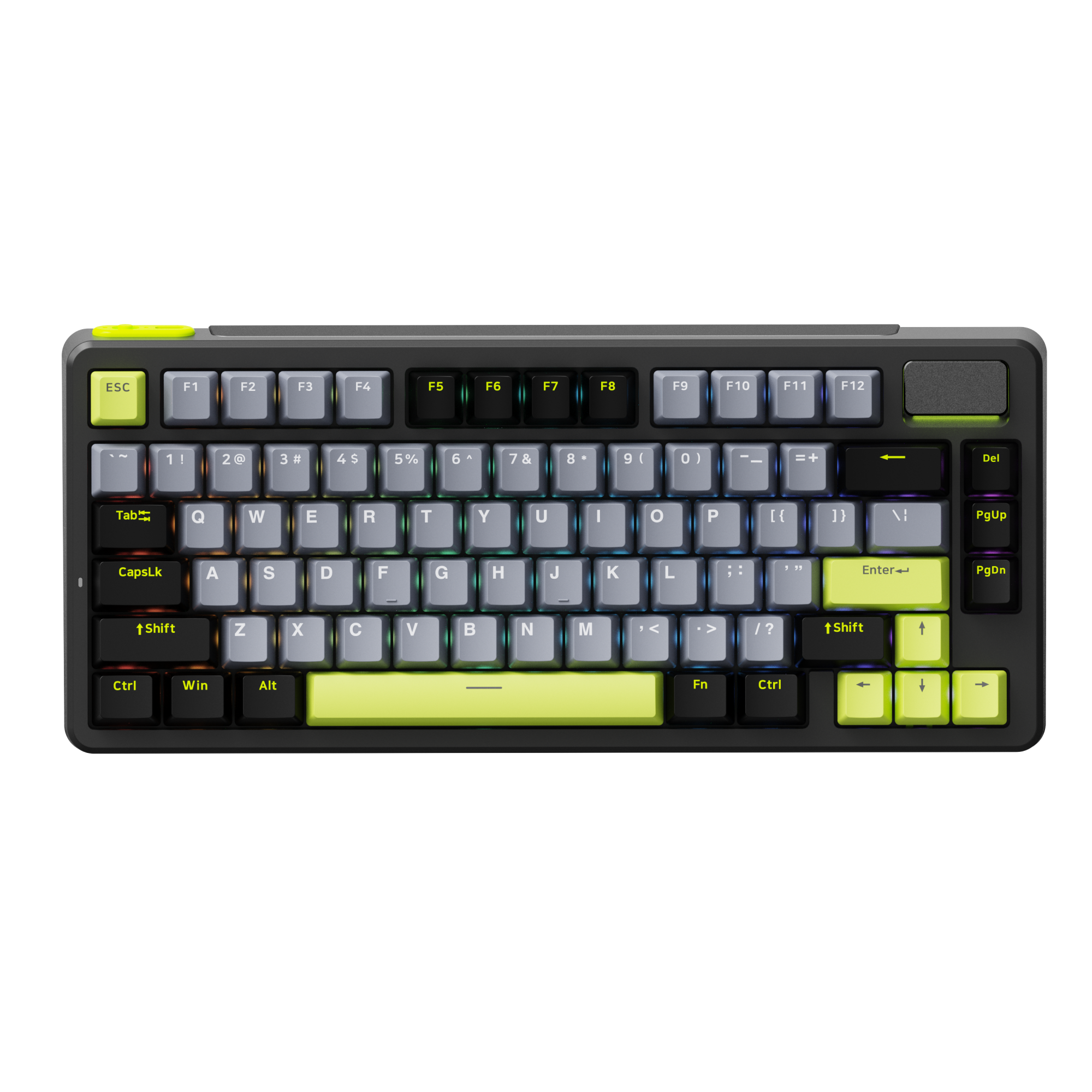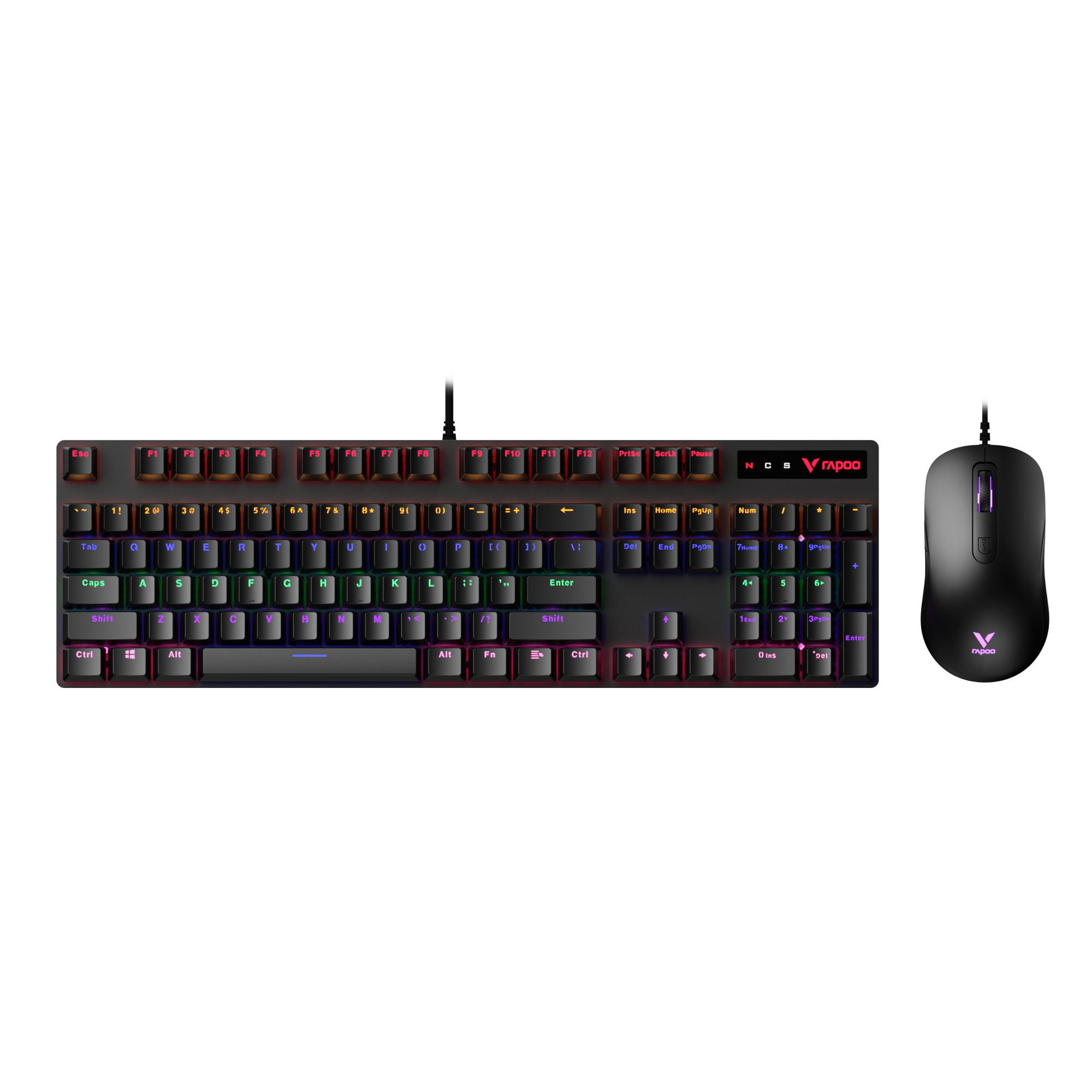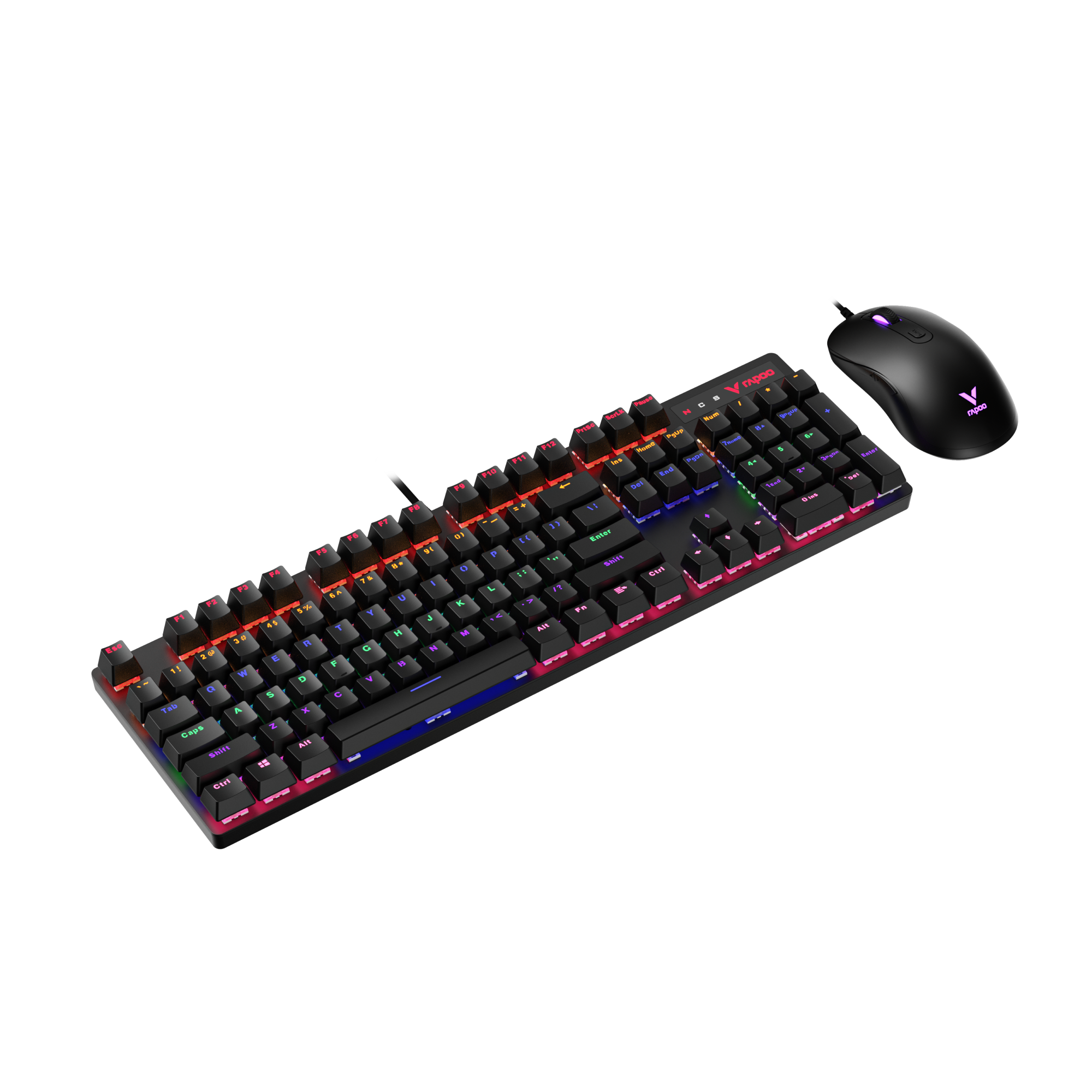


If you’ve been exploring mechanical keyboards, you’ve probably noticed that mounting style comes up more and more often—especially the term “gasket mount.” It’s commonly associated with a softer typing feel, a cleaner sound, and a more premium experience, but what actually makes it different from traditional keyboard designs?
Some modern mechanical keyboards, including RAPOO’s V700DIY series, use a gasket-mounted structure to change how the keyboard feels and sounds when you type. Instead of rigidly fixing the internal components to the case, this design introduces a layer of isolation that many users immediately notice—often described as more cushioned, less harsh, and more refined.
But what exactly is a gasket mounted keyboard, how does it work, and is it really better than other mounting styles like tray mount or top mount? In this guide, we’ll break down how gasket mount keyboards are built, how they compare to other designs, and whether this mounting style actually makes sense for typing, gaming, or everyday use.
What Is a Gasket Mounted Keyboard?

A gasket mounted keyboard is a type of mechanical keyboard where the plate—and sometimes the PCB—is suspended inside the case using flexible gasket materials, rather than being screwed directly into the keyboard housing. These gaskets are usually made of silicone, rubber, or poron foam, and they sit between the internal components and the case.

In a traditional keyboard design, the plate is rigidly fixed to the case using screws. This creates a firm and direct typing feel, but it also allows vibrations and keystroke impact to travel straight through the case. A gasket mount changes this structure by introducing a layer of isolation, allowing the plate to “float” slightly within the keyboard.
Because the plate isn’t hard-mounted, each keystroke is absorbed and distributed more evenly. The result is a typing experience that many users describe as softer, more cushioned, and less harsh, especially during long typing sessions. This structural difference is also why gasket-mounted keyboards tend to produce a more muted and controlled sound compared to rigid mounting styles.
It’s important to note that gasket mount is a mounting style, not a single standard. Different keyboards use different gasket materials, placement methods, and levels of compression. That means two gasket-mounted keyboards can still feel very different depending on their overall design, materials, and internal tuning.
How a Gasket Mount Keyboard Works

To understand how a gasket mount keyboard works, it helps to look at the relationship between three core components: the plate, the PCB, and the case. The plate holds the switches in place, the PCB registers key presses, and the case houses everything together. In most traditional designs, these parts are tightly fastened to each other using screws, creating a rigid and direct structure.
In a gasket-mounted keyboard, this rigid connection is intentionally removed. Instead of being screwed directly into the case, the plate—and sometimes the PCB—is supported by flexible gasket materials placed along the edges of the internal frame. These gaskets act as a buffer between the internal components and the case, allowing the assembly to rest under light compression rather than hard contact.
When you press a key, the force is no longer transferred straight into the case. The gaskets absorb and disperse vibration, reducing sharp impact and preventing resonance from traveling through the keyboard body. This is why gasket-mounted keyboards often feel less stiff when typing and produce a more controlled sound. The slight flexibility introduced by the gaskets softens each keystroke, while the isolation helps minimize unwanted noise like metallic ping or hollow echo.
Because both feel and sound are directly affected by how vibrations move through the keyboard, this floating structure plays a major role in the overall typing experience. However, the effect can vary depending on gasket material, thickness, and placement—meaning gasket mount is a design philosophy rather than a single fixed formula.
Typing feel and sound can vary more than you might expect—even within the same mount style. The best way to understand the difference is to experience it yourself.
👉 Explore Mechanical Keyboards with Different Mounting StylesGasket Mount vs Tray Mount: What’s the Difference?
Tray mount is one of the most common and traditional keyboard mounting styles, especially in older or more budget-friendly mechanical keyboards. In a tray-mounted design, the plate or PCB is screwed directly into mounting points on the bottom case, creating a firm and fixed structure.
A gasket mount, by contrast, removes this rigid connection. Instead of using screws to secure the plate to the case, the internal assembly is supported by flexible gasket materials, allowing the plate to rest under controlled compression. This fundamental structural difference is what leads to noticeable changes in both typing feel and sound.
Key Differences Between Gasket Mount and Tray Mount
| Feature | Gasket Mount | Tray Mount |
|---|---|---|
| Mounting method | Plate is suspended using flexible gaskets | Plate or PCB is screwed directly into the case |
| Structural rigidity | Semi-flexible, isolated from the case | Rigid, fixed connection |
| Typing feel | Softer, more cushioned, slightly flexible | Firm, direct, and stiff |
| Vibration control | Vibrations are absorbed by gaskets | Vibrations transfer into the case |
| Sound profile | More muted and controlled | Sharper, sometimes hollow or pingy |
| Consistency across keys | More even feel across the board | Can feel uneven depending on screw placement |
Because tray mount keyboards rely on a fixed screw layout, the typing feel can vary slightly across different areas of the keyboard—keys closer to mounting points often feel stiffer. Gasket mount designs reduce this effect by distributing pressure more evenly around the plate.
Which One Is Better for Different Use Cases?
- Tray mount keyboards are well-suited for users who prefer a firm and responsive typing experience, or for those who want a straightforward, no-frills mechanical keyboard.
- Gasket mount keyboards tend to appeal to users who value comfort, sound control, and long typing sessions, where reduced impact and noise make a noticeable difference.
Neither mounting style is objectively better—it ultimately depends on whether you prefer a rigid and direct feel or a softer, more isolated typing experience.
Gasket Mount vs Top Mount vs Sandwich Mount
While gasket mount has become increasingly popular, it’s far from the only keyboard mounting style. Top mount and sandwich mount are also widely used—especially in enthusiast and custom mechanical keyboards. Each mounting style reflects a different design philosophy, prioritizing feel, sound, and rigidity in its own way.
At a high level, these three mounts can be positioned like this:
- Gasket mount focuses on isolation, comfort, and sound control
- Top mount emphasizes structure, stability, and consistency
- Sandwich mount sits in between, offering firmness with a balanced feel
Comparison of Gasket Mount, Top Mount, and Sandwich Mount
| Feature | Gasket Mount | Top Mount | Sandwich Mount |
|---|---|---|---|
| Mounting method | Plate supported by flexible gaskets | Plate screwed to the top case | Plate clamped between top and bottom case |
| Structural feel | Semi-flexible, isolated | Firm and stable | Firm with slight dampening |
| Typing feel | Soft, cushioned, slightly flexible | Crisp, direct, and consistent | Solid but less harsh than tray/top |
| Sound profile | Muted, controlled, reduced resonance | Clear and pronounced | Deeper, more contained |
| Flex across the plate | Moderate, evenly distributed | Minimal | Low to moderate |
| Overall character | Comfortable and refined | Precise and structured | Balanced and weighty |
Which Mount Style Suits Different Preferences?
- For typing-focused users: Gasket mount keyboards are often preferred for long typing sessions. The reduced impact and softer keystrokes help minimize fatigue, especially when paired with lighter switches.
- For gaming: Top mount keyboards are commonly favored by users who want a firm, stable feel with minimal flex. The rigid structure provides consistent feedback, which some gamers find more predictable during fast inputs.
- For a firm typing feel without excessive harshness: Sandwich mount offers a middle ground. It maintains a solid, controlled feel while slightly reducing vibration compared to fully rigid designs.
Ultimately, mounting style shapes how a keyboard feels and sounds—but it’s only one part of the equation. Switch type, plate material, case design, and internal damping all play important roles in the final experience.
How Does a Gasket Mounted Keyboard Feel When Typing?
When people describe the gasket mount keyboard feel, words like softer, cushioned, and flexible come up again and again—but these terms can feel vague without context. In practice, they all point to the same underlying experience: reduced impact and smoother key travel.
Because the plate is not rigidly fixed to the case, a gasket-mounted keyboard absorbs part of the downward force when you press a key. Instead of stopping abruptly at the bottom-out point, the keystroke feels slightly dampened. This creates a gentler landing sensation that many users find more comfortable, especially during long typing sessions. The flexibility is subtle—you’re not “bouncing” on the keys—but enough to make the keyboard feel less harsh and more forgiving.
That said, gasket mount is only one piece of the puzzle. Switch type, plate material, and keycaps all play a significant role in how a keyboard feels. For example, lighter linear switches can make a gasket mount feel even smoother, while stiff tactile switches may reduce the perceived softness. Thicker keycaps and softer plate materials can further enhance the cushioned sensation, while metal plates tend to add firmness back into the typing experience.
Who Is a Gasket Mounted Keyboard Best For?
- Well-suited for: Users who type for long periods, value comfort, or prefer a smoother and quieter typing experience. Gasket mount keyboards are especially appealing to those sensitive to finger fatigue or sharp bottom-out impact.
- Less ideal for: Users who prefer a very firm, rigid, and immediate keystroke response. If you enjoy a stiff typing feel or rely heavily on hard bottom-out feedback, a gasket-mounted keyboard may feel too soft or muted.
In short, a gasket-mounted keyboard doesn’t necessarily feel “better”—it feels different. Whether that difference is an improvement depends entirely on your typing habits and personal preference.
Sound Profile of a Gasket Mounted Keyboard
The sound profile of a gasket mounted keyboard is often described as muted or controlled. Rather than amplifying keystrokes through the case, the gasket structure helps limit how vibrations spread, resulting in a cleaner and less sharp sound.
Because the plate is isolated from the case, common issues like metallic ping and internal echo are reduced. Keystrokes tend to blend more evenly, creating a smoother and more consistent sound during both slow typing and fast input.
While gasket mount plays an important role, it works best alongside other design elements such as internal foam and case materials. In short, gasket mount provides a solid foundation for a refined sound—but it’s not the only factor that shapes how a keyboard sounds.

RAPOO V700DIY 98 Wireless Mechanical Keyboard
Gasket-mounted design • Creamy sound profile • DIY-friendly mechanical keyboard
- Mounting StyleGasket structure for softer typing feel & cleaner sound
- ConnectionTri-Mode: Bluetooth 5.0 / 2.4GHz / USB-C wired
- SwitchesHot-swappable Speed Silver mechanical switches
- KeycapsDoubleshot PBT • 16.8M per-key RGB lighting
- InputFull NKRO anti-ghosting for reliable key registration
- Layout98-key layout with FN media hotkeys
Want to feel the difference of a gasket-mounted keyboard? Use the blog code above at checkout for extra savings.
Pros and Cons of Gasket Mount Keyboards
Like any keyboard mounting style, gasket mount comes with clear strengths—but also a few trade-offs. Understanding both sides makes it easier to decide whether this design actually fits your preferences.
Pros of Gasket Mount Keyboards
- Softer and more comfortable typing feel The gasket structure absorbs part of the keystroke impact, reducing harsh bottom-out and making long typing sessions feel less fatiguing.
- More controlled and refined sound By limiting vibration transfer to the case, gasket-mounted keyboards tend to sound cleaner and less sharp, with fewer issues like ping or hollow echo.
- More even typing experience across the keyboard Since the plate isn’t fixed at specific screw points, keys often feel more consistent across different areas of the board.
- Better vibration isolation The internal components are separated from the case, which helps minimize resonance and unwanted noise caused by rigid contact.
Cons of Gasket Mount Keyboards
- Less firm or “direct” feel Users who prefer a stiff, rigid keystroke may find gasket mount keyboards too soft or muted.
- Feel can vary significantly by design Gasket material, placement, and compression differ between keyboards, meaning not all gasket-mounted keyboards feel the same.
- Not always ideal for fast, aggressive input Some users—especially those focused on competitive gaming—may prefer the immediate feedback of more rigid mounting styles.
Is Gasket Mount a Universal Solution?
Gasket mount is not a one-size-fits-all upgrade. While it excels in comfort and sound control, it doesn’t automatically make a keyboard better for every user. Typing habits, switch preference, and desired feedback all play a role in whether gasket mount feels like an improvement or a compromise.
Is a Gasket Mounted Keyboard Better Than Other Mount Styles?
The short answer is: it depends.
A gasket mounted keyboard isn’t inherently better or worse than other mount styles—it’s simply designed with different priorities. Whether it feels like an improvement comes down to how you use your keyboard and what kind of feedback you prefer.
Typing vs Gaming
For typing-focused use, many people find gasket mount keyboards more comfortable. The softer bottom-out and reduced vibration can make long writing or work sessions feel easier on the fingers, especially if you type for extended periods each day.
For gaming, preferences tend to be more divided. Some gamers enjoy the smoother feel, while others prefer a firmer and more rigid mount that provides immediate, consistent feedback during fast and repetitive inputs. In competitive scenarios, that direct response can feel more predictable.
Firm vs Soft Preference
If you enjoy a soft, cushioned, and slightly flexible typing experience, gasket mount is often a strong fit. The isolation built into the design reduces harshness and creates a more relaxed feel.
On the other hand, if you prefer a firm, stiff, and highly responsive keystroke—where every press feels direct and solid—other mounting styles may suit you better. In that case, gasket mount can feel muted or less defined.
No Single “Best” Mount Style
There is no universal “best” keyboard mount. Gasket mount excels in comfort and sound control, but it’s not meant to replace every other design. Mounting style is just one factor among many, and the best choice ultimately depends on how you type, how you play, and what kind of feedback you enjoy.
Are Gasket Mounted Keyboards Good for Gaming?

A gasket mounted keyboard can be good for gaming, but it isn’t automatically the best choice for every type of player or game. The main trade-off comes down to responsiveness versus feel.
From a technical standpoint, gasket mount does not increase input latency. Key response speed is determined by the switch, PCB, and firmware—not the mounting style. However, the typing feel introduced by gasket mount can influence how responsive the keyboard feels, especially during fast or repetitive inputs.
FPS vs Casual vs Mixed Use
- FPS and competitive gaming In fast-paced shooters, many players prefer a firm and rigid typing feel. A stiffer mount provides more immediate physical feedback, which can feel more predictable during rapid key presses. For these users, gasket mount may feel slightly too soft or muted, even though it’s not slower.
- Casual gaming For single-player games, RPGs, or general entertainment, gasket mount keyboards work very well. The softer keystrokes and reduced noise make long sessions more comfortable without sacrificing control.
- Mixed use (gaming + typing) This is where gasket mount often shines. If you switch between work, typing, and gaming throughout the day, the added comfort and cleaner sound can be a worthwhile trade-off, even if the feel is less rigid than traditional gaming keyboards.
Why Many Gamers Still Prefer Other Mount Styles
Despite its popularity, gasket mount isn’t universally favored among gamers. Some players simply prefer the direct, stiff feedback of tray or top mount keyboards, especially when muscle memory and consistency matter more than comfort. Others find that a softer mount reduces the sense of precision they rely on during competitive play.
In short, gasket mount keyboards are perfectly capable for gaming—but whether they feel right depends on the type of games you play and how much you value comfort versus rigidity.
A gasket mount keyboard is best suited for users who value typing comfort, reduced fatigue, and a cleaner, more refined sound—especially those who spend long hours typing or want a smoother overall feel. If you prefer a softer, cushioned keystroke and quieter acoustics, gasket mount can be a great fit. On the other hand, users who favor a firm, rigid, and highly direct key response—often common among competitive gamers—may prefer other mounting styles. Rather than being a universal upgrade, gasket mount simply offers a different experience, making it easier for readers to decide based on their own priorities.
FAQ Section
Who Should Choose a Gasket Mount Keyboard?
A gasket mount keyboard is best suited for users who value typing comfort, reduced fatigue, and a cleaner, more refined sound—especially those who spend long hours typing or want a smoother overall feel. If you prefer a softer, cushioned keystroke and quieter acoustics, gasket mount can be a great fit. On the other hand, users who favor a firm, rigid, and highly direct key response—often common among competitive gamers—may prefer other mounting styles. Rather than being a universal upgrade, gasket mount simply offers a different experience, making it easier for readers to decide based on their own priorities.
What is a gasket mounted keyboard?
A gasket mounted keyboard is a mechanical keyboard that uses flexible gasket materials to suspend the plate (and sometimes the PCB) inside the case, instead of fixing it directly with screws. This design helps isolate vibrations, resulting in a softer typing feel and a more controlled sound compared to rigid mounting styles.
How is a gasket mount different from a tray mount?
The main difference lies in how the internal components are secured. A tray mount uses screws to fix the plate or PCB directly to the case, creating a firm and rigid structure. A gasket mount, on the other hand, relies on flexible materials to support the plate, reducing vibration transfer and creating a softer, more isolated typing experience.
Do gasket mounted keyboards feel softer?
Yes, most gasket mounted keyboards feel softer and more cushioned than rigid designs. The gasket absorbs part of the keystroke impact, reducing harsh bottom-out. However, the exact feel still depends on other factors such as switch type, plate material, and overall keyboard construction.
Are gasket mounted keyboards quieter?
Gasket mounted keyboards are often quieter and more controlled, but not necessarily silent. By limiting vibration transfer to the case, gasket mount designs help reduce sharp noises, metallic ping, and internal echo, resulting in a cleaner sound profile overall.
Is gasket mount good for gaming?
Gasket mount can work well for gaming, especially for casual or mixed-use scenarios. While it doesn’t affect input speed or latency, some competitive gamers prefer firmer mounting styles for more direct physical feedback. Whether gasket mount feels right for gaming depends largely on personal preference.
Are gasket mounted keyboards worth the price?
Gasket mounted keyboards can be worth the price for users who prioritize typing comfort and sound refinement. However, they are not automatically better than other mount styles. The value depends on how much you appreciate a softer feel versus a firmer, more rigid typing experience.
Do all custom keyboards use gasket mount?
No, not all custom keyboards use gasket mount. Many custom keyboards still rely on tray mount, top mount, or sandwich mount designs. Gasket mount is popular, but it’s just one of several mounting styles available, each offering a different balance of feel, sound, and rigidity.